

Breast cancer does not always present as a lump, and a normal mammogram does not eliminate future risk. Dr. April Spencer shares five essential insights on breast health, early detection, and supporting women at every stage of the disease.
In 2026, an estimated 321,910 women in the United States will be diagnosed with invasive breast cancer, and approximately one in eight women will develop the disease during her lifetime.
An estimated 170,000 U.S. women were living with metastatic breast cancer in 2025. Some are diagnosed after the cancer has spread, while others develop metastatic disease following an earlier-stage diagnosis.
Behind every statistic is a woman, a family, and a life deserving of compassionate care.
As we recognize Metastatic Breast Cancer Awareness Day, Dr. April Spencer, a breast cancer surgeon with more than two decades of experience, shares five things she wishes every woman knew about her breast health.
1. Know Your Normal
Breast cancer does not always present as a lump. Skin dimpling, persistent redness or swelling, new nipple inversion, spontaneous nipple discharge, especially bloody discharge, or a change in breast size or shape also deserve attention.
These changes do not automatically mean cancer, but they should be evaluated. If you see or feel something different, say something. Do not wait for your next screening mammogram to bring a concern to your physician.
2. Mammograms Save Lives, and Following Up Matters
Mammograms can identify breast cancer before it can be felt, giving us an opportunity to intervene earlier and develop a personalized treatment plan. Dr. Spencer recommends annual screening beginning at age 40, with earlier or additional screening when an individual risk assessment indicates it.
Just as importantly, if you receive a callback, please go back. An abnormal mammogram does not automatically mean breast cancer; it means we need more information. Completing recommended imaging or a biopsy helps us understand what is happening and take appropriate action.
3. Family History Matters, but So Does the Absence of It
Know the cancer history on both sides of your family, including the types of cancer and ages at diagnosis. This information can help determine whether genetic counseling, testing, or a different screening plan is appropriate.
Most women diagnosed with breast cancer have no family history of the disease. Prior normal mammograms are reassuring, but they do not eliminate future risk. Stay consistent with screening and regular conversations with your clinician about breast health.
4. Know Your Individual Risk
Breast cancer risk is personal and can change over time. Increasing age, certain abnormal breast biopsies, dense breast tissue, reproductive history, earlier menstrual periods, later menopause, and weight gain after menopause can all influence risk. Alcohol use and physical inactivity also matter.
Ask your clinician for a formal breast cancer risk assessment. Dense breasts deserve particular attention because they can both increase risk and make cancer harder to see on a mammogram. Understanding your risk helps determine whether you would benefit from supplemental imaging, genetic counseling, or other risk-reduction strategies.
5. Your Daily Habits Can Make a Difference
Regular movement, maintaining a healthy weight, avoiding tobacco, and limiting or avoiding alcohol support overall health and can help reduce cancer risk. Walking, dancing, gardening, and other activities count. Just move.
Restorative sleep and stress management also support emotional well-being and healthy daily habits, although they cannot guarantee prevention. Healthy habits offer meaningful benefits, but a cancer diagnosis is never evidence that a woman failed to care for herself.
Breast cancer can recur despite timely screening, appropriate treatment, and healthy habits. Women living with metastatic disease deserve continued research, access to effective care, and support that honors the fullness of their lives.
Beyond Awareness
Dr. Spencer’s guiding message, “From Breast Health to Best Health™,” empowers women with knowledge, compassionate care, and practical tools to thrive Beyond October®.
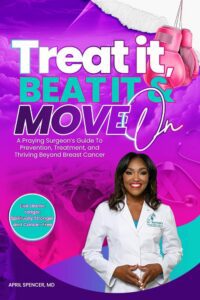 For women seeking additional guidance, her book, Treat It, Beat It & Move On: A Praying Surgeon’s Guide to Prevention, Treatment and Thriving Beyond Breast Cancer, combines clinical experience with practical guidance and faith-based encouragement, including navigating life with metastatic breast cancer. The book debuted on CNN and earned a #1 New Release ranking on Amazon.
For women facing a diagnosis and the loved ones who stand beside them, it offers an additional resource for navigating the journey.
Because awareness must lead to knowledge, timely action, and continued support for women at every stage of breast cancer.

Dr. April Spencer, Board-Certified Breast Surgeon and Surgical Oncologist with Over 20 Years of Medical Experience