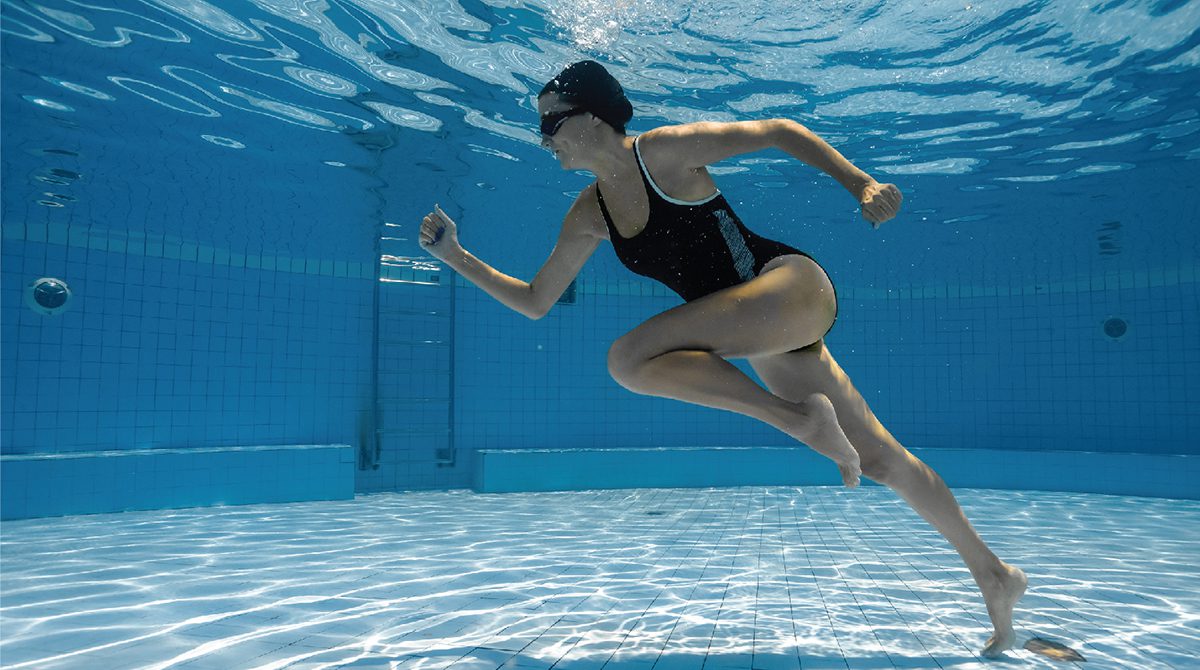
Reverse running, also known as retro running, has emerged as a unique fitness trend with benefits that go beyond traditional workouts. This unconventional exercise not only builds cardiovascular health but also enhances balance, coordination, and core strength—key elements for a well-rounded fitness routine. Here’s how you can safely integrate reverse running into your routine, with tips on form, frequency, and complementary exercises.
Running backwards offers a surprising range of health benefits that traditional forward running doesn’t provide. Because it engages different muscle groups—particularly the calves, hamstrings, and glutes—it helps to create muscle balance, especially for runners prone to overdeveloped quads from forward running. It also improves proprioception, the body's sense of movement and balance, which can reduce the risk of falls and other injuries. Furthermore, studies have shown that reverse running places less impact on knee joints, making it a knee-friendly alternative for those with joint sensitivities.
Safety is crucial with reverse running, especially as it involves moving in an unusual direction. Start in a clear, flat area with minimal obstacles. A track, park, or even a spacious gym floor works well. Begin with a light jog to familiarize yourself with the feeling and movement. Keep your head turned occasionally to look over your shoulder to check your path, but try to focus on a consistent posture.
For effective reverse running, maintain a slight lean forward, keeping your shoulders back and arms relaxed at a 90-degree angle. Your steps should be short and quick, using your forefoot to strike the ground and pushing off with your toes to avoid dragging your heels. Engage your core and keep your upper body stable, which helps improve balance and overall coordination.
For beginners, start with one to two sessions per week, each lasting 10-15 minutes. As your confidence and stamina increase, gradually extend your sessions to 20 minutes. Reverse running can be quite strenuous, so it’s best to alternate it with other forms of exercise that enhance flexibility, strength, and recovery.
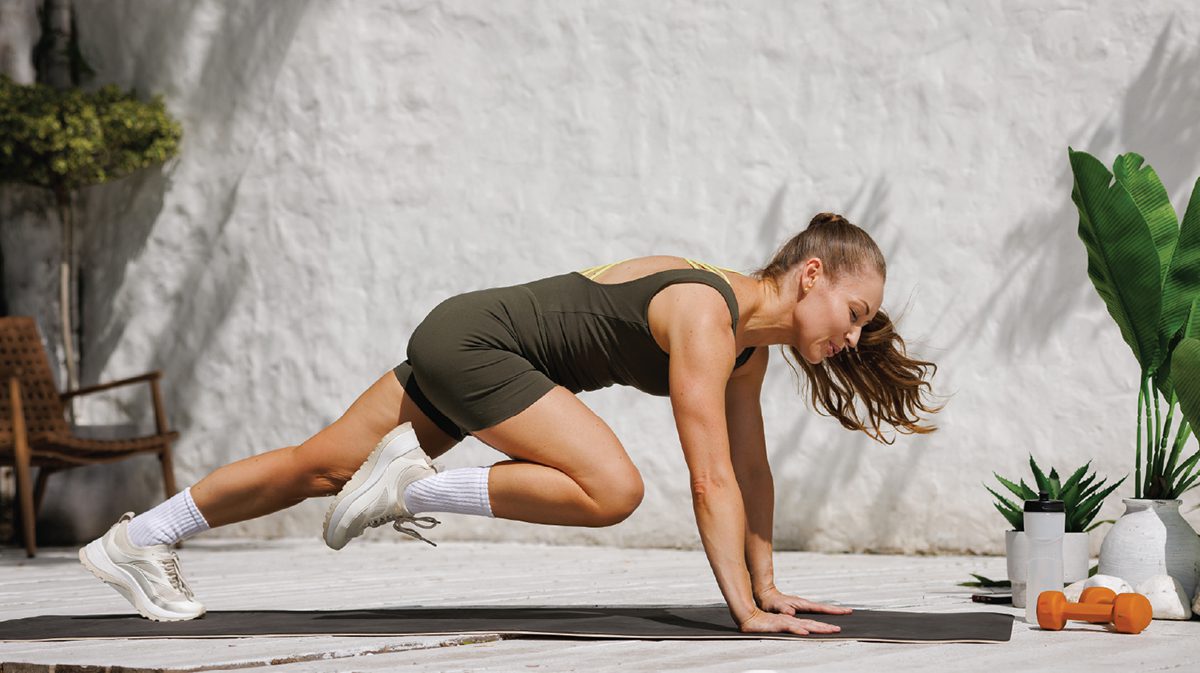
To complement reverse running, consider exercises that support leg strength and flexibility, such as lunges, calf raises, and hip bridges. Core exercises like planks, side planks, and Russian twists are also beneficial, as a strong core helps maintain balance while running in reverse. Stretching the hamstrings, calves, and hip flexors post-run can alleviate muscle tightness and reduce injury risk.
Reverse running offers a refreshing way to break up your fitness routine and engage muscles in a whole new way. With the right approach, you can enjoy the benefits of this exciting trend while staying safe and building strength and resilience.


 By Amber EdwardsManaging Editor, Digital