
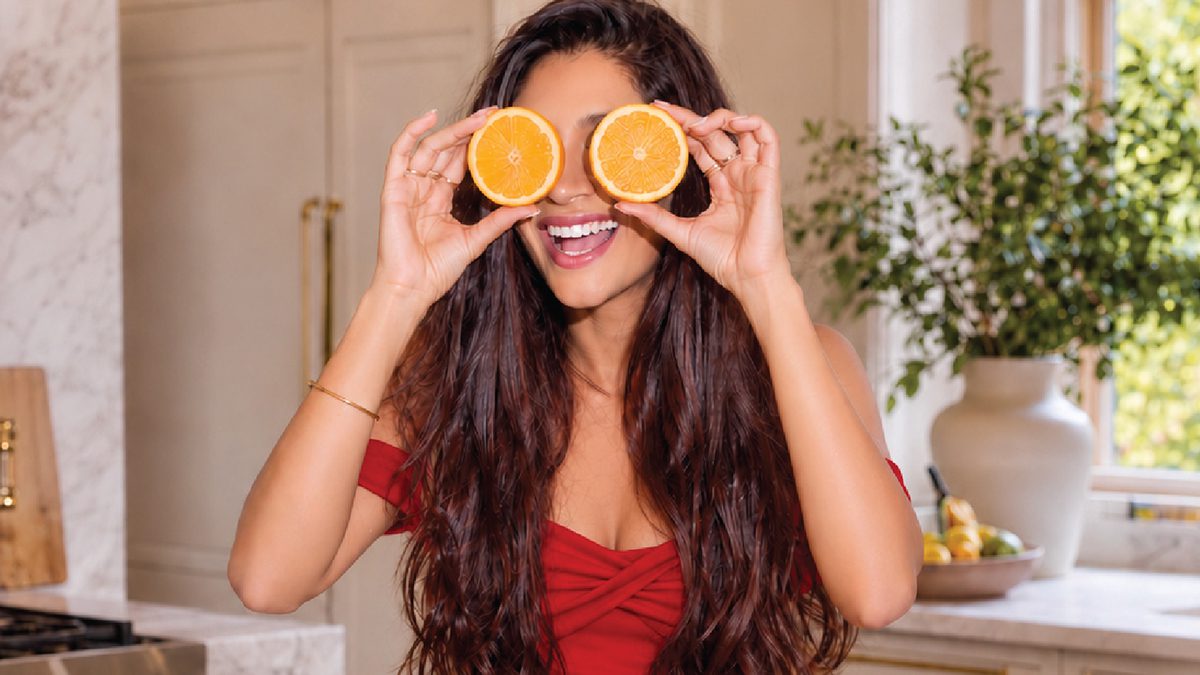
Every October, we talk about early detection, and we should. But there’s another conversation that belongs right next to it, and it happens three times a day at our own tables. What we eat can’t guarantee anything. Genetics, age, and plenty of factors outside our control still matter. But food is one of the few levers we get to pull every single day, and the research on it has grown clearer than ever.
This isn’t about fear or perfection. It’s about putting the odds a little more in your favor, one plate at a time.
As a wellness coach, I want women to feel more confident about what they eat. With so much conflicting advice, even a simple trip to the grocery store can feel overwhelming, especially when the conversation turns to cancer.
Food is one part of a much bigger picture. No diet can guarantee that we will avoid cancer, and a diagnosis is never a reason to blame someone’s food choices. What we can do is build everyday habits that support our health, with room for enjoyment, individual needs, and real life.
My approach starts in the kitchen: simple ingredients, satisfying meals, and small changes we can keep making.
Build Your Plate From Plants
If cancer-prevention research had a headline, it would be this: eat mostly plants. The American Institute for Cancer Research recommends making whole grains, vegetables, fruits, beans, and lentils a major part of your normal diet.
The global WCRF/AICR report suggests at least 400 grams of a variety of non-starchy vegetables and fruits each day (about five generous handfuls), plus relatively unprocessed grains or legumes with each meal, as summarized by Cancer Australia.
Why does this work? Plant foods bring fiber, antioxidants, and a wide range of protective plant compounds. They also tend to crowd out the foods we’re better off eating less of, and they help with maintaining a healthy weight, which is itself an important factor in cancer risk.
Fiber: The Quiet Hero
Fiber rarely gets the spotlight, but it deserves it. It feeds the beneficial bacteria in your gut, keeps digestion moving, helps steady blood sugar, and plays a role in how the body processes hormones, including estrogen.
For breast cancer specifically, a meta-analysis of 10 prospective studies including more than 700,000 women found that those with the highest fiber intake had about an 11% lower risk than those with the lowest intake (American Journal of Clinical Nutrition, via PubMed). That isn’t a miracle number, but it’s meaningful, and fiber comes with benefits for your heart, gut, and metabolism, too.
Most women fall well short of the commonly recommended 25 grams a day. Beans, lentils, oats, berries, chia, flax, and whole grains are the easiest ways to close the gap.
Cruciferous Vegetables and Other Nutrient-Dense Foods
Broccoli, cauliflower, kale, cabbage, Brussels sprouts, arugula, and bok choy belong to the cruciferous family. They contain glucosinolates, compounds that break down into substances researchers are studying for their effects on inflammation, detoxification enzymes, and cell health.
To be honest about the science, the National Cancer Institute notes that human studies have shown mixed results, and the Linus Pauling Institute points out that many of the positive associations come from case-control studies. So think of crucifers not as a cure, but as some of the most nutrient-dense foods you can put on your plate.
A tip from my kitchen: Chop broccoli or cabbage and let it rest for a few minutes before cooking, and don’t overcook it. Lightly steaming or roasting helps keep more of the good stuff intact.
Other foods worth celebrating: leafy greens, berries, tomatoes, garlic and onions, walnuts, ground flaxseed, and colorful produce of every kind. Variety is the point.
Foods Worth Limiting
Processed meats, including bacon, hot dogs, and deli meats, are linked to colorectal cancer. Cancer-prevention guidance recommends limiting red and processed meats, sugary drinks, and highly processed foods.
Try replacing deli meat with leftover roasted chicken or a chickpea salad. Choose fruit and nuts for an easy snack. Read ingredient lists alongside the nutrition facts to understand what you are buying. A package alone does not make a food a poor choice. Frozen vegetables and canned beans, for example, can make nourishing meals much easier.
A large French cohort study published in The BMJ linked higher intake of ultra-processed foods to higher risk of overall cancer and breast cancer. Researchers are still sorting out exactly why, but the takeaway is simple: the closer a food is to how it grows, the better.
How Alcohol Fits Into the Conversation
This is the part many women haven’t heard, and it matters for breast health. In January 2025, the U.S. Surgeon General issued an advisory describing the causal link between alcohol and at least seven types of cancer, including breast cancer in women. Alcohol is the third leading preventable cause of cancer in the U.S., after tobacco and obesity (U.S. Surgeon General’s Advisory).
According to the Breast Cancer Research Foundation, even one drink a day can raise breast cancer risk by 7 to 10%, and the risk climbs with each additional drink. MD Anderson describes this risk as cumulative.
This doesn’t mean you can never toast at a wedding. It means that less is better, and that the evening glass of wine isn’t the heart-healthy habit we were once told it was. The American Cancer Society puts it plainly: it’s best not to drink alcohol, and if you do, limit it.
Make Healthy Eating Accessible
Organic food can be a personal preference, but it is not a requirement for a healthy diet. Research has not established that choosing organic foods prevents cancer. Eating enough vegetables and fruit, whether organic or conventionally grown, is the more practical priority.
In my coaching, I encourage women to begin with one manageable change: add a vegetable to dinner, try a bean-based lunch, or make an alcohol-free evening part of the week.
You do not need a perfect kitchen to begin taking care of yourself. Start with your next meal.
 Jolana Nika is an international wellness coach, fitness trainer, and founder of The Jolana Method™. With more than 15 years of experience, she helps women build strength, confidence, and sustainable well-being through real food, movement, education, and lifestyle change. Her philosophy is simple: she doesn’t give you a diet—she teaches you a lifestyle.