
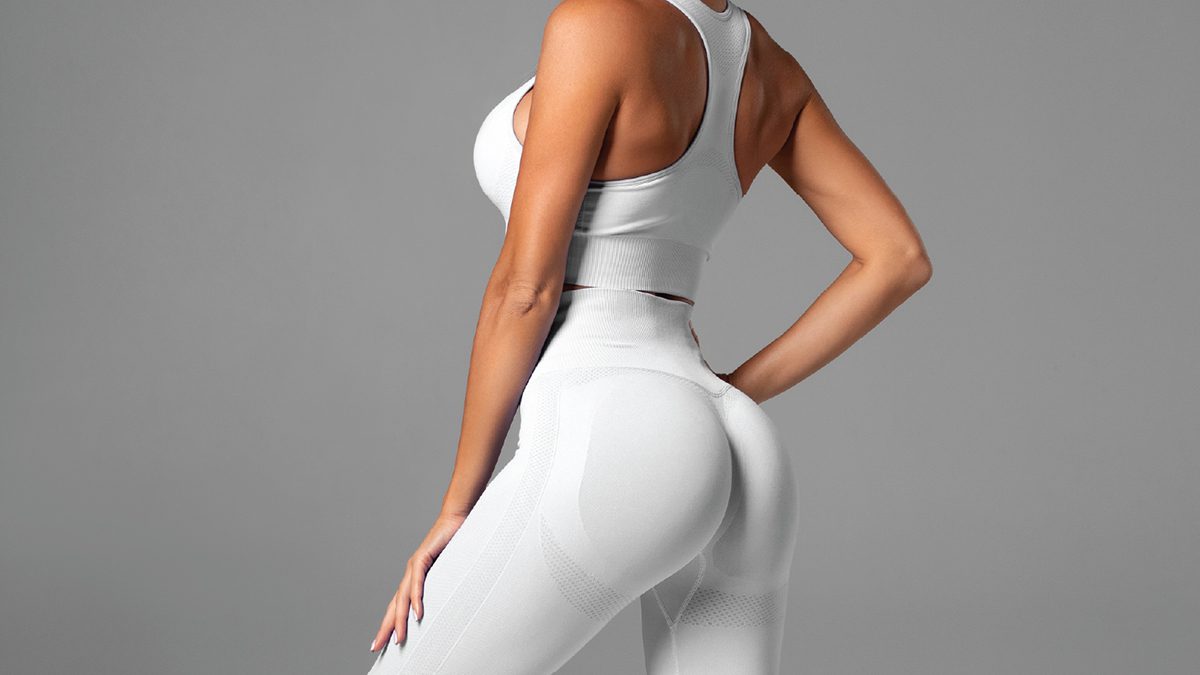
Why building your backside may be one of the smartest investments you can make in your future body.
Let’s be honest: most people train their glutes because they want them to look good in jeans. There is absolutely nothing wrong with that—but your glutes are doing far more important work behind the scenes.
They stabilize your pelvis, support your knees and back, power you up the stairs, and help you stay strong and independent as you age. A beautiful backside? That is simply the bonus.
After more than 15 years as a trainer, I have watched fitness trends come and go. But building strong glutes has never been just a trend. Your glutes are involved in almost everything you do: walking, running, lifting, standing up, balancing on one leg and even getting out of a chair.
We tend to appreciate these simple movements only when they start becoming difficult. That is why I believe we should train for the body we want today—and the life we want to keep living tomorrow.
Meet the Team Behind You
Your backside is actually made up of three main muscles: the gluteus maximus, gluteus medius and gluteus minimus. Each one has its own job.
The gluteus maximus is the largest of the three. It produces power and helps extend the hip, which is what allows you to rise from a chair, climb stairs, sprint or stand back up after bending down.
The gluteus medius and minimus may not receive as much attention, but they are extremely important. They help stabilize your hips and keep your pelvis level when you walk or stand on one leg.
Think about how many times you balance on one leg without realizing it: putting on your pants, stepping off a curb, climbing stairs or catching yourself when you stumble. Your glutes are quietly working through all of it.
Your Knees May Need Your Glutes
Sometimes the place where we feel discomfort is not the only area that needs attention.
Your hips help control the position of your thighs and knees during walking, lunging, running and squatting. When the glutes are not strong enough—or are not activating properly—the knees may move inward and other muscles may have to do more of the work.
That does not mean weak glutes are responsible for every painful knee or sore back. The body is much more complicated than that. But glute strength is an important part of the support system connecting your back, pelvis, hips, knees and ankles.
Training your glutes is not only about changing what you see in the mirror. It is about creating a stronger foundation underneath your entire body.
Strong Glutes Support Healthy Aging
As we age, maintaining muscle becomes increasingly important—especially for women. Strength supports mobility, balance and our ability to continue doing everyday things without depending on someone else.
Can you get up from the floor comfortably? Carry your groceries? Climb a flight of stairs? Catch your balance when you miss a step?
These may not sound like glamorous fitness goals, but they are the movements that protect your freedom.
I want women to stop thinking about strength training as something reserved for athletes or bodybuilders. It is one of the most powerful tools we have for aging with confidence.
You are not training just for your next vacation. You are training for your future.
Bigger Does Not Always Mean Stronger
Here is something people often misunderstand: the appearance of a muscle does not necessarily tell you how well it performs.
A larger backside is not automatically a stronger one. Real strength also involves muscle quality, control, coordination and the ability to stabilize your body during movement.
This is why endless random kicks and pulses may give you a temporary burn, but they should not be your entire glute program. Your body needs progressive resistance and movements that challenge the glutes in different ways.
The goal is not just to feel your glutes burning. The goal is to make them stronger.
Six Exercises That Earn Their Place
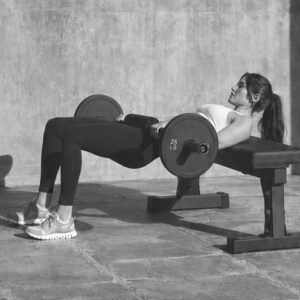
Hip Thrust
Hip thrusts target the gluteus maximus and allow you to build strength through hip extension. At the top, your body should form a straight line from your shoulders to your knees. Finish by squeezing your glutes—not by overextending your lower back.
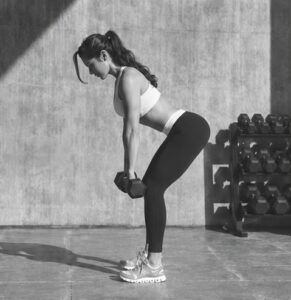
Romanian Deadlift
Romanian deadlifts strengthen the glutes and hamstrings while teaching you how to hinge properly at the hips. Keep a neutral spine, soften your knees and push your hips backward instead of simply reaching the weights toward the floor.
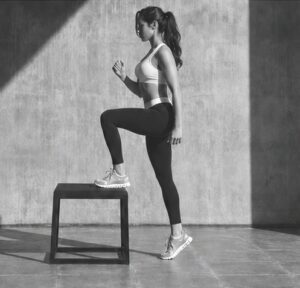
Step-Up
Step-ups train one side at a time while challenging balance and everyday functional strength. Place your entire foot on the step and drive through that leg instead of pushing off excessively with the foot on the floor.
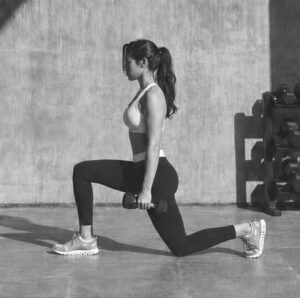
Reverse-Lunge
Reverse lunges are a wonderful way to build lower-body strength while often feeling more controlled than stepping forward. Take a comfortable step back, lower with control and use the front leg to return to standing.
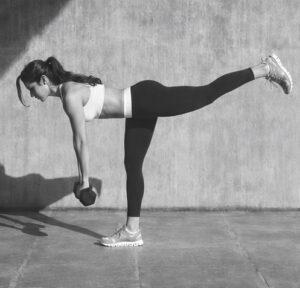
Single-leg Deadlift
Single-leg deadlifts combine glute strength, balance and coordination. Keep your hips square to the floor and imagine your head and lifted heel moving away from each other as one long line.
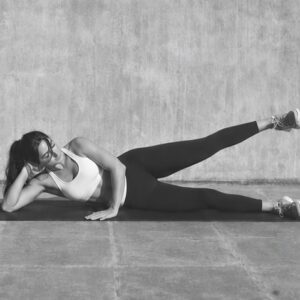
Side-lying Leg Lift
Side-lying leg lifts target the smaller side-glute muscles that help stabilize the pelvis. Keep your hips stacked and lift the leg with control. You do not need to throw it toward the ceiling—the smaller, cleaner movement is often more effective.
You do not need to perform every exercise in every workout. Choose three or four, concentrate on your form and gradually increase the challenge as you become stronger.
Consistency will always beat one heroic workout followed by two weeks of doing nothing.
Train for More Than the Mirror
Of course, it is perfectly fine to want your glutes to look amazing. Feeling confident in your body is a valid goal, and I will never pretend aesthetics do not matter.
But I also want you to understand what you are really building.
You are building the strength to move without fear. You are supporting your hips, knees and back. You are training your balance. You are protecting your independence. You are creating a body that can carry you into the next chapter of your life—and the one after that.
So train your glutes for the look if you want.
But strengthen them for the life you want to keep living.
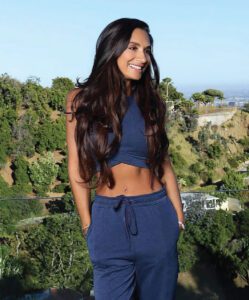
Jolana Nika
ELYSIAN Wellness Subject Matter Expert, Jolana Nika is an international wellness coach, fitness trainer, and founder of The Jolana Method™. With more than 15 years of experience, she helps women build strength, confidence, and sustainable well-being through real food, movement, education, and lifestyle change. Her philosophy is simple: she doesn’t give you a diet—she teaches you a lifestyle.