
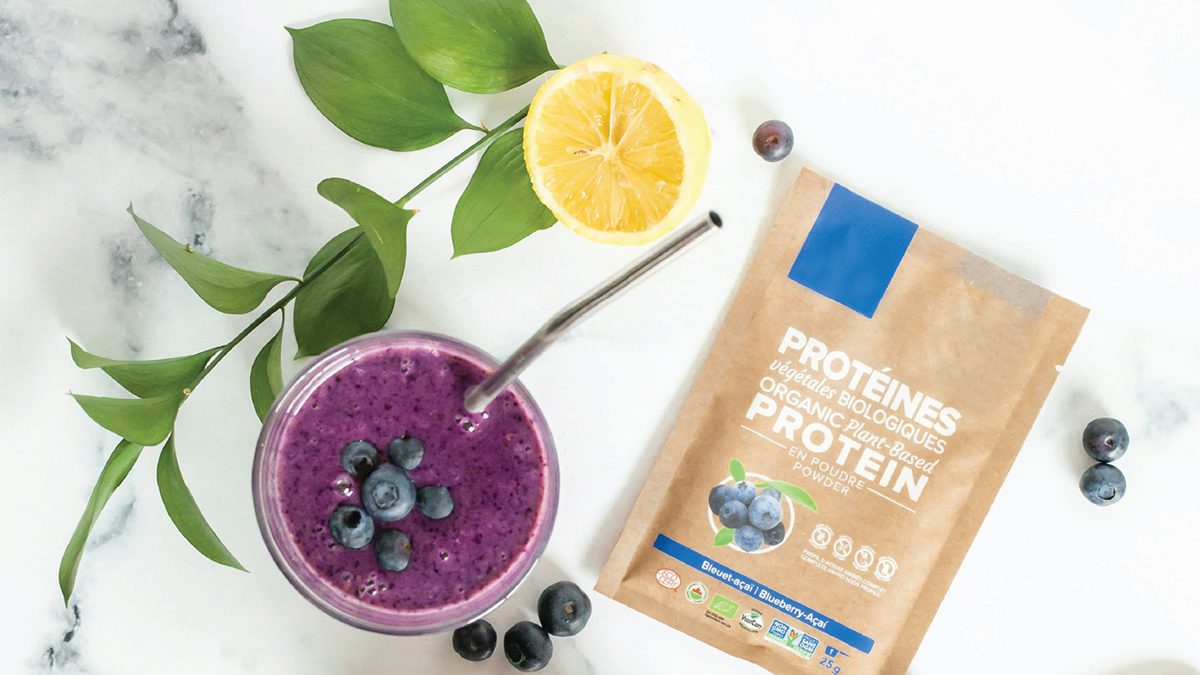
Protein has officially become the superstar of nutrition headlines, but its rise isn’t just a marketing ploy—it’s science-backed, especially for women navigating life after 40. From preserving muscle to supporting bone health, protein has earned its place as more than just a trendy nutrient.
As we age, our bodies naturally begin to lose muscle mass, a process known as sarcopenia. This gradual decline isn’t just about aesthetics—it affects strength, balance, and overall metabolic health. Adequate protein intake is crucial for maintaining and rebuilding muscle tissue, helping to counteract the effects of aging. For women over 40, prioritizing protein isn’t optional; it’s an essential strategy to maintain vitality, mobility, and independence.
Protein also plays a key role in metabolic health. Unlike carbohydrates or fats, digesting protein burns more energy—a phenomenon known as the thermic effect of food. This means your body works harder to process protein, slightly boosting calorie expenditure and supporting weight management. Combined with regular exercise, a protein-focused diet can help women maintain a healthy metabolism even as hormonal changes slow it down.
Another often-overlooked benefit is satiety. Protein-rich meals naturally keep you fuller for longer, reducing cravings and the likelihood of overeating. For a busy professional, a mother, or anyone balancing a hectic schedule, this effect can be a game-changer, helping maintain both energy levels and dietary discipline throughout the day.
Bone and joint health is another reason protein has taken center stage, particularly post-menopause. When estrogen levels decline, bones become more vulnerable, increasing the risk of fractures and osteoporosis. Adequate protein intake supports bone strength, working in tandem with calcium and vitamin D to keep the skeletal system resilient.
The fitness world has also fueled protein’s buzz, with trends like CrossFit, HIIT, and strength-focused training emphasizing protein as key to recovery and performance. Media coverage often highlights impressive numbers, which can make the daily requirements seem intimidating—but the truth is more approachable than you think.
So, how much protein does a 150-pound woman actually need? The general recommendation for adults is 0.8 grams per kilogram of body weight—roughly 55 grams for a 150-pound woman. However, older adults and those who exercise benefit from 1.2–1.6 grams per kilogram, putting daily needs in the range of 82–110 grams. For an active woman, 100–110 grams of protein a day is both reasonable and evidence-based.
Reality check: hitting 100–110 grams of protein can feel daunting, especially on a 1,600–1,800 calorie diet. The key is balance—not overloading on protein shakes or supplements. Smart choices include Greek yogurt, eggs, lean meats, plant-based proteins, and even protein-packed snacks. With thoughtful planning, a high-protein day is entirely achievable without feeling extreme or restrictive.
Protein isn’t just a buzzword—it’s a cornerstone of health, strength, and longevity. For women over 40, it’s a practical, science-backed way to maintain muscle, support metabolism, keep bones strong, and stay energized. And with the right approach, it’s a sustainable part of a vibrant, healthy lifestyle.