
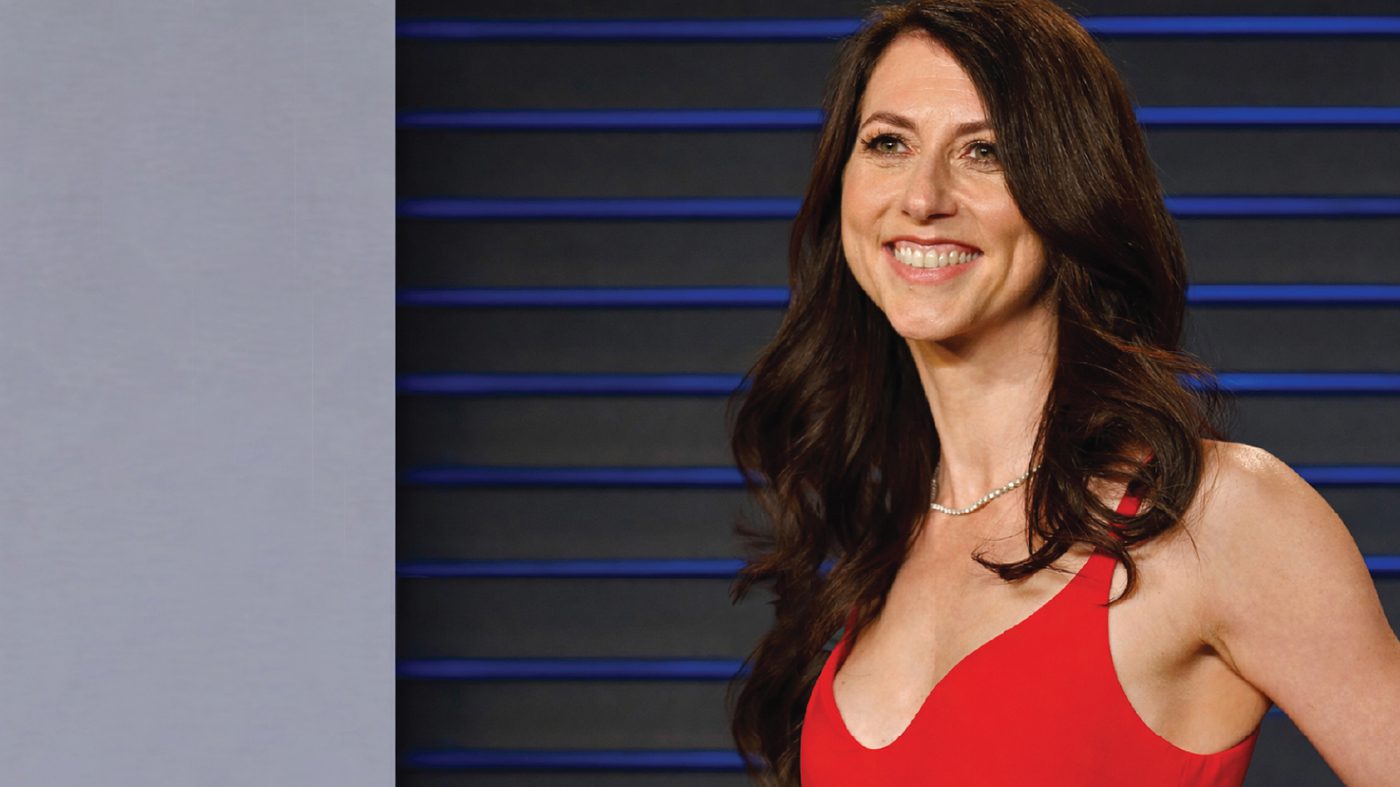
MacKenzie Scott has quietly transformed what it means to wield wealth in the modern world. One of the most influential philanthropists of her generation, Scott has redefined billionaire giving through an approach that is as radical as it is restrained: large-scale, unrestricted donations rooted in trust, humility, and speed. In doing so, she has reshaped the landscape of global philanthropy—and challenged long-standing assumptions about power, control, and legacy.
Following her 2019 divorce from Amazon founder Jeff Bezos, Scott emerged as one of the world’s wealthiest women. What followed was not the creation of a traditional foundation or a tightly managed philanthropic apparatus, but something far less conventional. Scott committed to giving away the majority of her wealth during her lifetime, moving capital directly into communities and institutions she believed could best determine their own needs.
Since 2020, Scott has donated more than $14 billion to over 1,600 organizations, according to public disclosures. Her giving has focused on groups historically underfunded or overlooked by large philanthropy: historically Black colleges and universities (HBCUs), organizations advancing racial and gender equity, economic mobility initiatives, public health, education, and community-based nonprofits. Many of the recipient organizations are small or mid-sized, yet deeply embedded in the communities they serve.
What distinguishes Scott’s philanthropy is not only its scale, but its structure. Her gifts are overwhelmingly unrestricted, allowing recipients full autonomy over how funds are used. There are no naming rights, no detailed reporting requirements, and no public campaigns centered on her identity. This trust-based model runs counter to traditional philanthropy, which often emphasizes donor oversight and measurable short-term outcomes. Scott’s approach instead recognizes that those closest to the problems are best equipped to solve them.
Scott formalized this philosophy through Yield Giving, the platform through which she publicly shares updates on her philanthropy. In her rare written statements, she emphasizes that wealth is a product of collective systems and that redistributing it is both a responsibility and an opportunity to strengthen those systems. Her language consistently centers dignity, equity, and long-term capacity rather than charity.
Scott represents a modern expression of power—one exercised through restraint rather than control. She demonstrates that influence does not require visibility, and that impact can be amplified by stepping back rather than stepping in. Her philanthropy invites a deeper question for women thinking about legacy and capital: not simply how much to give, but how to give in ways that restore agency and sustainability.
Like other women shaping the future across moral courage, historic leadership, and global governance, Scott operates at a systems level. Her giving strengthens institutions rather than personalities, enabling durable change that will outlast any single donor.
In a philanthropic culture often driven by prestige and permanence, MacKenzie Scott has chosen impermanence and trust. By relinquishing control and accelerating the flow of capital to those already doing the work, she has redefined what it means to lead with wealth. Her legacy is not a monument, but momentum—and in that choice, she has quietly set a new standard for modern generosity.