
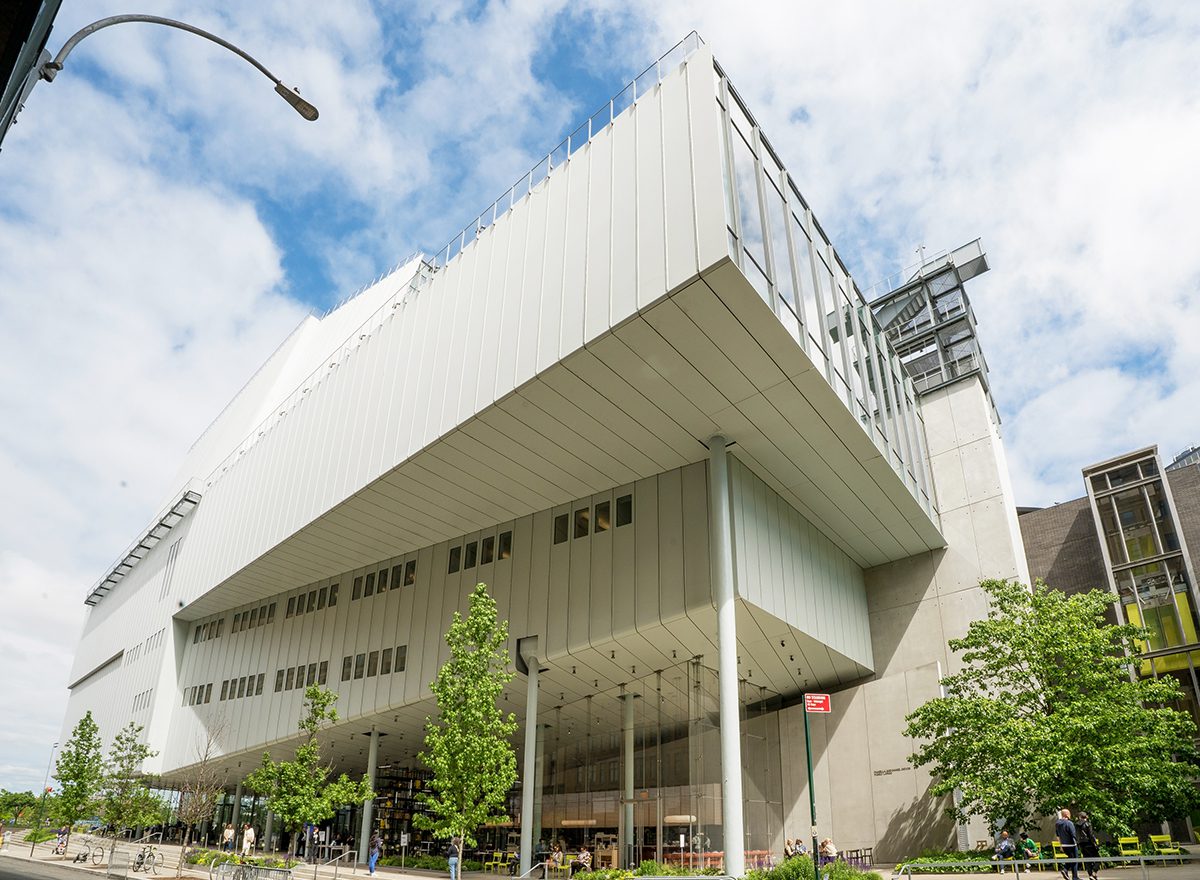
Every two years, the art world converges on New York City to witness a cultural moment that often sets the course for the next decade of artistic innovation. This spring, the spotlight is on the Whitney Museum of American Art, where the highly anticipated 2026 Whitney Biennial, which opened on March 8, 2026, is already captivating audiences. — an exhibition renowned for unveiling the artists, ideas, and tensions that will shape the future of contemporary art.
The Whitney Biennial is the longest-running survey of American art, first established in 1932 by the museum’s founder, Gertrude Vanderbilt Whitney. Over its 82 editions, it has earned a reputation as the preeminent barometer of the cultural moment, launching the careers of polymaths and provocateurs whose work reverberates far beyond gallery walls.
For 2026, curators Marcela Guerrero and Drew Sawyer, along with Biennial curatorial collaborators Beatriz Cifuentes and Carina Martinez, have devised a survey that reflects the complexity and contradictions of our time, focusing on how artists navigate interwoven themes of kinship, geopolitics, mythologies, technological entanglements, and infrastructural systems. Rather than offering a singular narrative, the exhibition emphasizes mood and texture — tension and tenderness, humor and unease — as lenses through which to experience the present.
With an expansive roster of 56 artists, duos, and collectives drawn from across the United States and the world, the Biennial brings together established and emergent voices whose creative investigations encapsulate the artistic pulse of today.
Among the standout figures is Julio Torres, the Salvadoran-born writer and performer known for his genre-defying work in comedy and visual art, who collaborates with Martine Gutierrez on a new performance piece that blurs the boundaries between spectacle and introspection.
In contrast, Samia Halaby, the Palestinian-American painter and digital artist whose experimental abstractions critique global capitalism, brings decades of revolutionary practice to the Biennial’s thematic conversation.
The exhibition also features works by Raven Halfmoon, an Indigenous sculptor whose large-scale forms engage with cultural narratives and historical memory, and Mao Ishikawa, the celebrated Japanese photographer whose intimate portraits of Okinawan communities document lived experience with piercing clarity.
Emerging talents such as Leo Castañeda, whose immersive “Camoflux : Levels & Bosses” installation turns the gallery into an interactive, videogame‑inspired space, confront visitors with the infrastructural realities of modern life — from climate anxieties to political systems mediated through screens.
Textile and material traditions find expression in Teresa Baker’s work, where Indigenous practices intertwine with contemporary surfaces to propose new dialogues between nature and simulation.
This vast range of artistic inquiry reflects the Biennial’s core ambition: to facilitate a deeper understanding of the world through creativity that challenges conventions and invites reflection. As Guerrero and Sawyer have articulated, the Biennial’s strength lies in the relationships it reveals — between artist and audience, history and innovation, form and meaning.
For followers of contemporary art and anyone with an eye toward cultural evolution, the 2026 Whitney Biennial isn’t just an exhibition — it’s a forecast of ideas, provocations, and artistic languages that will resonate throughout the years ahead.