
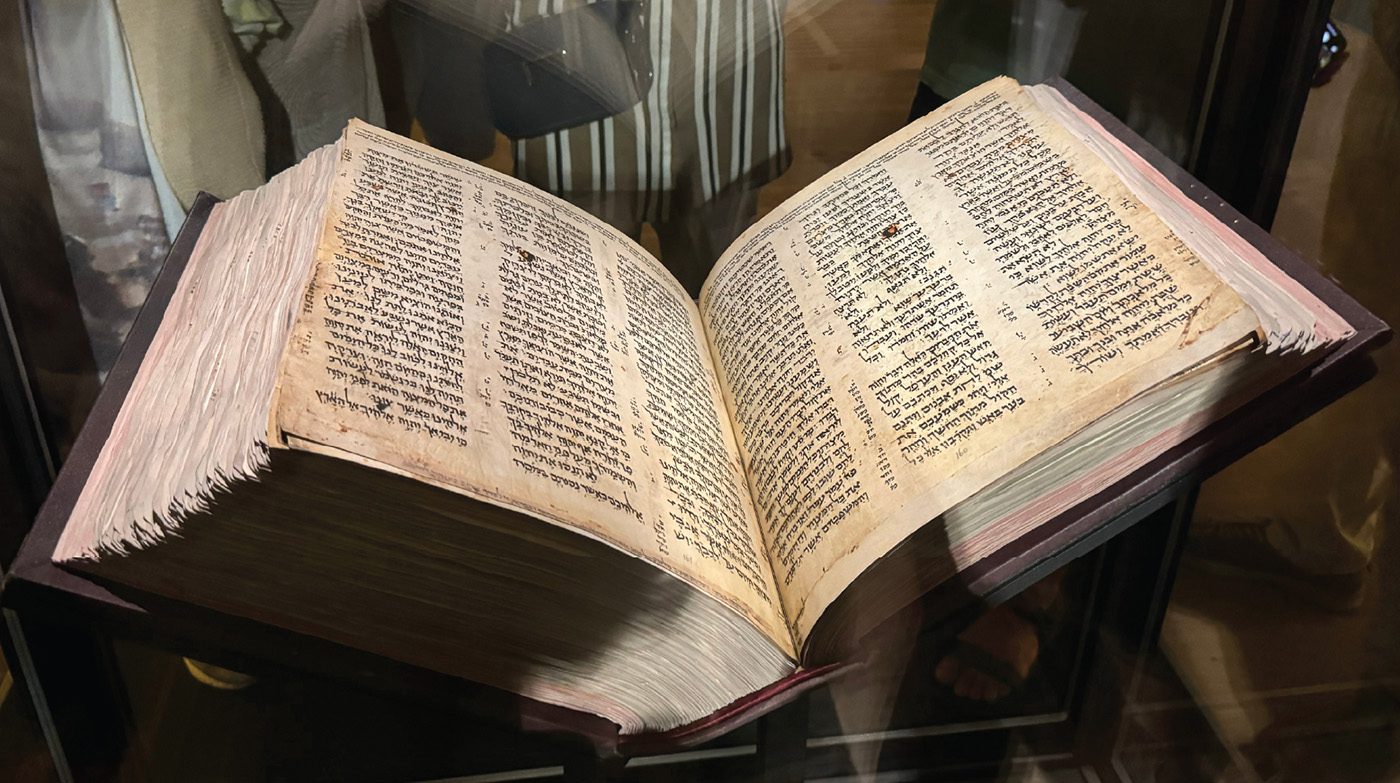
The world of rare books is as much about history and artistry as it is about monetary value. While collectors and institutions chase items of cultural significance, a few extraordinary volumes have shattered all expectations of worth. The most expensive book ever sold at auction is the Codex Sassoon, a nearly 1,100-year-old Hebrew Bible that fetched $38.1 million in 2023. Yet when considering inflation, Leonardo da Vinci’s Codex Leicester, a scientific notebook purchased by Bill Gates in 1994 for $30.8 million, would be valued at over $60 million today, often earning it the unofficial title of the highest-priced book ever.
The Codex Sassoon is a remarkable artifact not only for its price but also for its age and preservation. Originating in the 10th or 11th century, it is one of the oldest surviving Hebrew biblical manuscripts. Written on parchment with meticulous calligraphy, the book’s pages are thick, slightly yellowed with age, and bear the faint traces of centuries of careful handling. Today, it is privately owned, and while it is occasionally loaned to museums for exhibitions, access is strictly controlled. When scholars or curators do handle the codex, it is done with white gloves to protect the delicate parchment, allowing the intricate script and minute textual details to be examined without damaging the centuries-old pages. Its origins are believed to trace back to Babylonian or Middle Eastern Jewish communities, a testament to the rich manuscript traditions of that era.
While the Codex Sassoon may top modern auctions, the list of most expensive books in the world features other extraordinary items. Leonardo da Vinci’s Codex Leicester is a collection of scientific observations, sketches, and theories penned in the Renaissance master’s distinctive mirror writing. Its sale to Bill Gates underscored the intersection of art, science, and rarity, with each page offering insights into da Vinci’s visionary mind.
Historical and religious texts also claim prominent positions in the high-end market. Early printed works like the Bay Psalm Book, one of the first books printed in colonial America, and documents such as the Magna Carta, which codified fundamental legal principles in medieval England, command eye-watering sums at auction. These pieces are prized not just for their content but also for their historical resonance.
Perhaps surprisingly, John James Audubon’s The Birds of America also ranks among the world’s most expensive books. Unlike medieval manuscripts or scientific notebooks, Audubon’s work is a celebration of artistry and natural history. First published in the early 19th century, it contains life-sized, hand-colored illustrations of North American birds. Complete copies are extremely rare, and individual volumes have sold for millions of dollars, with one fetching around $11.5 million. Collectors prize it as both an artistic masterpiece and a scientific milestone, making it a standout among historically significant works.
From ancient Hebrew scriptures to Renaissance notebooks and ornithological folios, these books represent the pinnacle of human creativity, scholarship, and preservation. They are more than objects of wealth—they are touchstones to human history, carefully guarded, admired, and, in rare moments, passed into the hands of those who recognize their enduring value.