
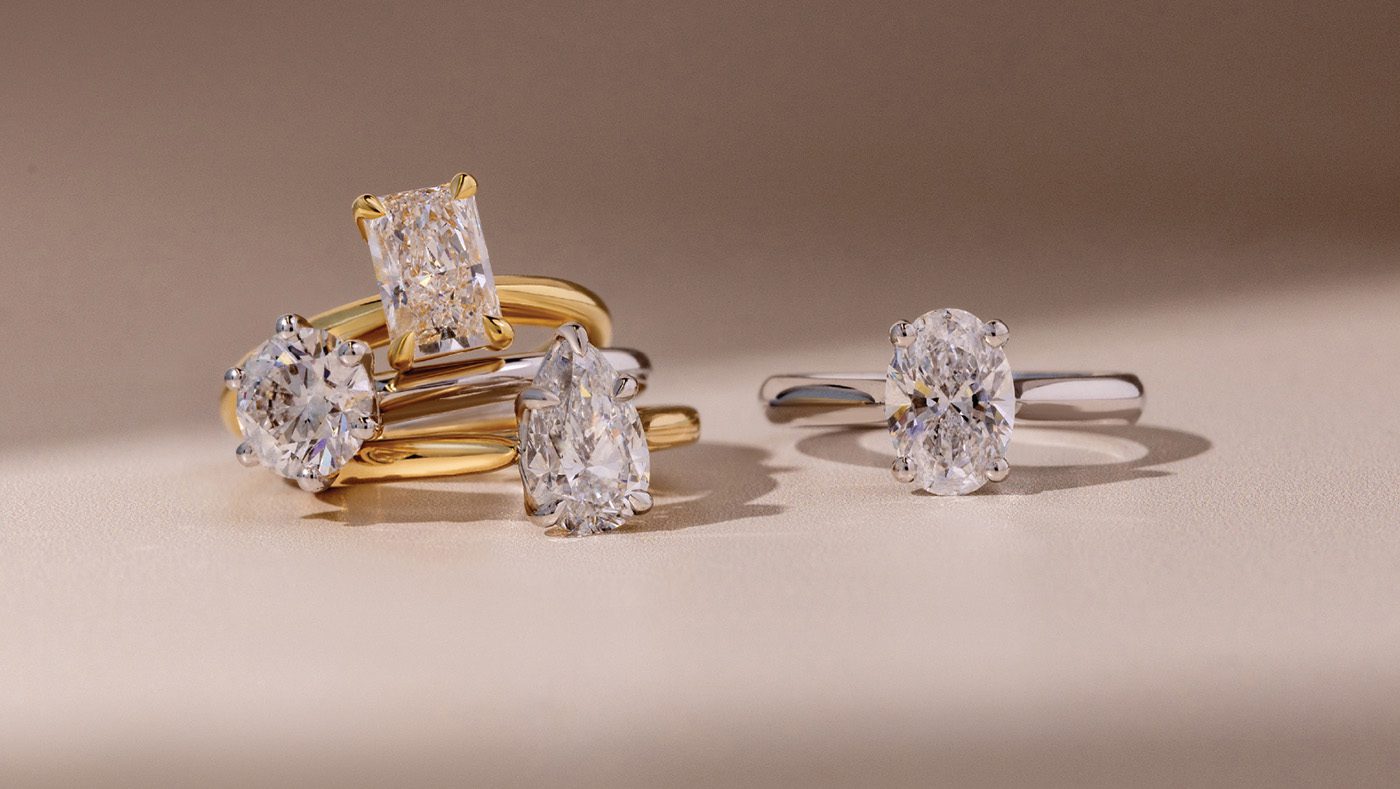
For more than a century, diamonds have occupied an unchallenged position in the cultural imagination—symbols of permanence, devotion, and discreet power. They were not merely adornments, but declarations. Yet today, beneath the polished vitrines of Place Vendôme and Fifth Avenue, a quiet reckoning is underway. Diamond prices have fallen by nearly 30 percent, and with that decline comes a far more profound shift: for many women of means and discernment, diamonds are no longer the ultimate object of desire.
This is not a story about scarcity or panic. It is a story about taste, values, and social structures evolving faster than tradition.
The modern woman—globally minded, deeply informed, and increasingly intentional—no longer measures value by convention alone. She understands markets, provenance, and signaling. And she knows that when an asset becomes abundant, easily replicated, or over-marketed, its symbolic power erodes. The diamond, once rare in both access and meaning, now suffers from precisely this dilution.
But the erosion of diamond value is not merely a supply-side issue. It is also a demand-side reckoning—one rooted in the quiet unravelling of the institution that once guaranteed diamonds their cultural relevance: marriage itself.
Across developed nations, marriage rates have been steadily declining for decades. Women are marrying later—if at all—and a growing number are choosing long-term partnerships, cohabitation, or independence without formal marriage. Economic autonomy, educational attainment, and shifting social norms have dismantled the idea that marriage is a required milestone for fulfillment, stability, or legitimacy.
Diamonds, historically tethered to engagement rituals and marital permanence, now find themselves unmoored. When fewer women see marriage as essential—or see it as one meaningful choice among many—the diamond loses its role as a compulsory symbol. It is no longer a rite of passage. It is an option.
This matters because diamonds were never just luxury goods; they were cultural shorthand. A diamond ring once signaled commitment, social alignment, and future stability. In a world where women increasingly build wealth, families, and identities outside traditional marital frameworks, that shorthand no longer translates. The symbol persists, but the message has changed.
The rise of lab-grown diamonds has accelerated this reckoning. Indistinguishable to the naked eye and significantly less expensive, they have flooded the market with technical perfection absent of narrative tension. When perfection is mass-produced, it loses its mystique. What was once an emblem of endurance now feels interchangeable—beautiful, yes, but no longer singular.
At the same time, luxury itself is being redefined. Status today is less about what is universally recognized and more about what is privately understood. A diamond may still glitter, but it no longer signals discernment. It signals adherence. And for women who lead rather than follow, that distinction matters.
This shift is also philosophical. Permanence—once the diamond’s greatest promise—feels increasingly out of step with a world that values adaptability, sovereignty, and self-authorship. The idea that love, success, or identity should be frozen in carbon feels oddly antiquated to women whose lives are defined by motion, growth, and reinvention.
As diamonds soften in value, attention has turned elsewhere. High jewelry clients are gravitating toward rare colored gemstones, antique pieces with provenance, and bespoke creations that cannot be replicated or priced by algorithm. Others are redirecting discretionary spending entirely—toward art, land, legacy travel, or investment-grade watches that combine engineering with scarcity. These choices are not louder. They are smarter.
What is perhaps most telling is how quietly this transition is happening. There is no rejection of beauty, no disdain for craftsmanship. Rather, there is a recalibration. Diamonds are not being discarded; they are being demoted—from cultural mandate to optional indulgence.
And therein lies the truth the industry is reluctant to confront: diamonds are no longer a shorthand for commitment, power, or taste. For a generation of women who have built wealth, influence, and identity on their own terms, symbolism must earn its place. Tradition alone is not enough.
Diamonds will endure. They will still be worn, gifted, and admired. But their reign as the unquestioned “best friend” is over. In an era where value is defined by meaning, rarity, and intention, brilliance without depth no longer dazzles.
The most powerful statement today is not what shines the brightest—but what reflects who you truly are.