
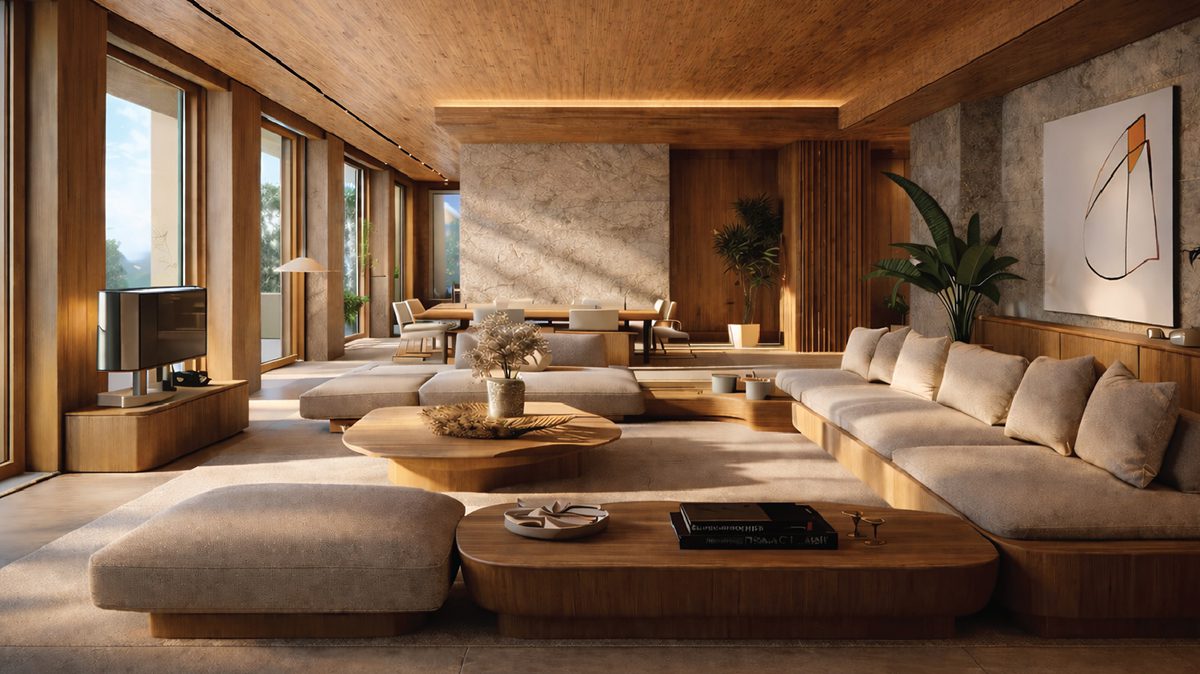
We are entering a moment in design where furniture is no longer just something you place in a room. It is becoming something that shapes how a room feels, moves, and even how it is perceived. Yes, there is a very clear shift happening right now in home furniture trends, and it is actually one of the most significant pivots in the past decade. What is happening is not just a new style. It is a philosophical shift in how people want their homes to feel.
For years, interiors were dominated by clean lines, gray palettes, and ultra minimal furniture. That era is fading. We are moving away from cold minimalism and toward emotional, immersive living. In 2026, people want homes that feel warmer, softer, more personal, and more sensory driven. Think less “perfect showroom” and more “experience driven environment.” The home is no longer just a backdrop for life. It is becoming part of the emotional experience of living.
One of the most visible changes is the rise of sculptural furniture. Furniture is no longer just functional. It is becoming expressive and even architectural. Sofas, chairs, and tables now feature curved, organic, almost biomorphic shapes instead of rigid lines. Rounded sofas, asymmetrical tables, and pieces that look carved rather than manufactured are becoming central to modern interiors. This shift changes how space is perceived, making rooms feel more fluid, dynamic, and visually alive.
 Alongside this sculptural movement is a strong return to organic modern and nature inspired design. There is a growing emphasis on biophilic materials and natural finishes. Wood with visible grain, stone surfaces, linen, boucle, rattan, and earthy tones like clay, olive, and warm browns are defining the new aesthetic. This is not rustic design. It is refined and intentional. It is about grounding interiors in materials that feel human, calming, and connected to the natural world.
Texture is also becoming one of the most important elements in this new design language. One of the biggest under the radar shifts is that homes are becoming more tactile. Layered fabrics, fluted wood, dimensional surfaces, and soft touchable upholstery are replacing flat, sterile finishes. People are moving away from glossy perfection and toward spaces that feel rich, layered, and alive. The home is becoming something you experience not only visually but physically.
Comfort has also become a defining luxury signal. The rise of ultra deep seating, including cloud like modular sofas, reflects a major cultural shift. Luxury is no longer about formality or restraint. It is about how a space feels to live in. Furniture is becoming deeper, softer, more lounge oriented, and designed for real daily living rather than display.
At the same time, homes are becoming more personal and expressive. Minimalism is giving way to curated maximalism, not clutter but identity. Interiors now often mix vintage and modern pieces, layer bold objects with meaning, and prioritize storytelling over uniformity. Spaces are increasingly designed to reflect personality rather than follow a catalog aesthetic.
Flexibility is another major trend. Modular furniture and adaptive layouts are rising as people demand spaces that shift with their lives. Sofas can be rearranged, tables can serve multiple purposes, and rooms are designed to evolve rather than stay fixed. This reflects a broader need for adaptability in modern living.
What is driving all of this is not random. It is a response to how people live now. Digital fatigue is creating a craving for tactile, real environments. More time spent at home is increasing demand for comfort and emotional connection. Wellness culture is pushing calming, nature inspired spaces. At the same time, there is a growing desire for individuality and a move away from uniform “catalog living.”
Why this matters is that this shift is moving directly toward what many are beginning to describe as psychological architecture. Furniture is no longer just filling space. It is starting to shape perception, influence mood, and create spatial experience. We are not yet fully at homes that bend reality, but we are undeniably moving toward homes that feel immersive, emotional, and deeply experiential rather than static.