
Trees exist at the intersection of science, stewardship, and legacy, living assets that quietly shape both environmental resilience and the value of the spaces we inhabit. For an audience accustomed to curating environments with intention, the preservation of trees is not merely ecological; it is architectural, financial, and deeply human.
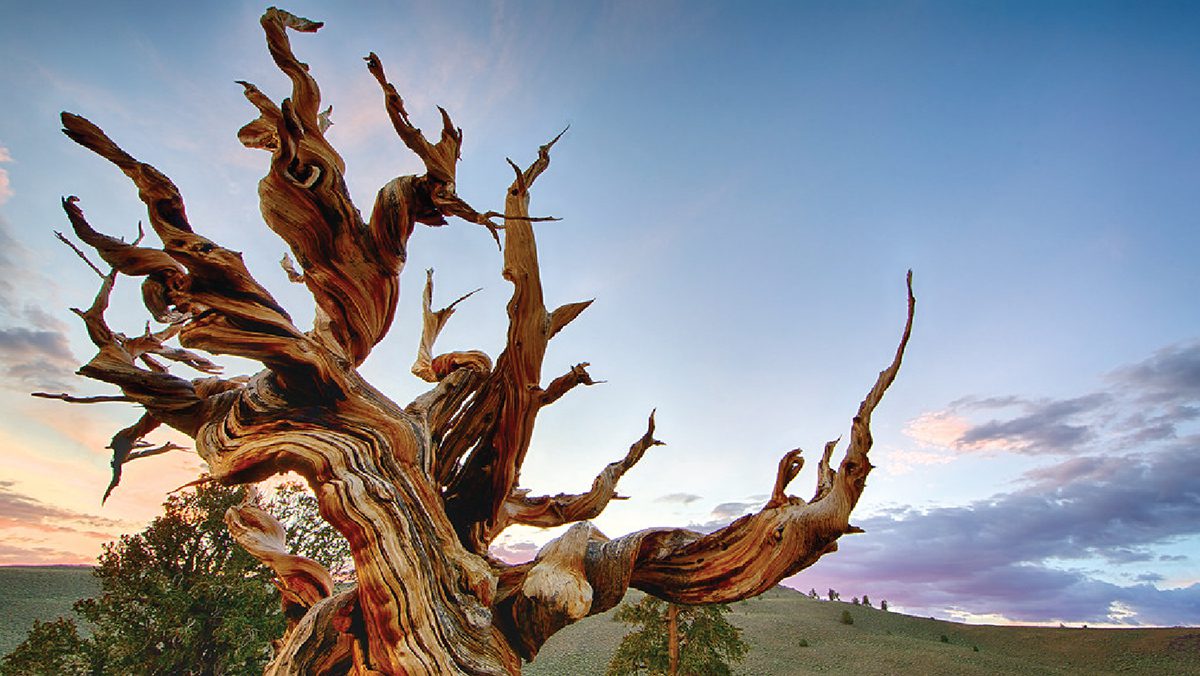
Consider the ancient wisdom embodied in Methuselah tree, Earth’s oldest known tree—a Great Basin bristlecone pine estimated to be over 4,800 years old, located in the White Mountains of Inyo National Forest. Its precise location remains undisclosed, a deliberate act of protection by the U.S. Forest Service. This discretion underscores a powerful truth: what is most valuable is often what must be most carefully preserved.
Trees are far from passive landscape features. They are sophisticated, communal organisms capable of exchanging chemical and electrical signals through underground networks, warning neighboring trees of drought, pests, and environmental stressors. They regulate air quality, stabilize soil, and manage water flow with a level of efficiency no engineered system has fully replicated. In residential and estate settings, their presence can elevate property values, reduce energy costs, and define the aesthetic and emotional tone of a space.
Yet, despite their resilience, trees often fail not from age but from preventable human intervention.
One of the most pervasive and misunderstood threats is the burial of the tree’s root flare, the point at which the trunk broadens into structural roots. When this natural transition zone is obscured by excess soil, mulch, or hardscaping, the tree begins a slow, often invisible decline. What should be a graceful outward flare instead resembles a rigid “totem pole,” signaling distress.
This condition restricts oxygen flow, traps moisture against the bark, and invites decay. Over time, roots may begin to circle the trunk, known as girdling, compressing the tree’s vascular system and inhibiting the flow of water and nutrients. The canopy thins. Branches die back. Structural integrity weakens, often becoming apparent only when the tree poses a risk.
The remedy, however, is both precise and transformative.
Root collar excavation, performed by a skilled arborist, carefully removes excess soil and debris to re-expose the natural flare. This process restores oxygen exchange, identifies harmful root patterns, and allows the base of the tree to dry as intended. In many cases, early intervention can stabilize and revitalize a tree that would otherwise be slated for removal.
The implications extend beyond preservation. A properly maintained tree develops a broad, shallow root system that anchors it securely and enhances storm resilience. Conversely, deeply buried trees form narrow, unstable root structures, increasing the likelihood of failure in adverse conditions.
And when a tree cannot be saved, there remains an opportunity for thoughtful reinvention.
Reaching 15 to 20 feet in height, a single tree in this form transforms into a thriving ecosystem, capable of supporting hundreds of species and thousands of organisms. It transcends its role as an ornamental feature to become an ecological cornerstone—a “living city” within your landscape. Organizations such as treecareforbirds.com collaborate with a diverse network of tree and wildlife professionals to advance best practices that minimize the impact of tree care on birds and other wildlife, while enhancing the full spectrum of sustainable forest values. You can recognize your habitat tree with a sign—click here to learn more.
Of course, such decisions should be guided by professional assessment. Companies like Biological Tree Services provide standards and expertise to ensure that preservation aligns with both safety and long-term planning.
Ultimately, trees ask very little of us, only that we understand them.
To preserve a tree is to preserve time itself, an investment that compounds not only in value, but in beauty, stability, and quiet intelligence.
Tammy Kovar, ELYSIAN Garden Subject Matter Expert