
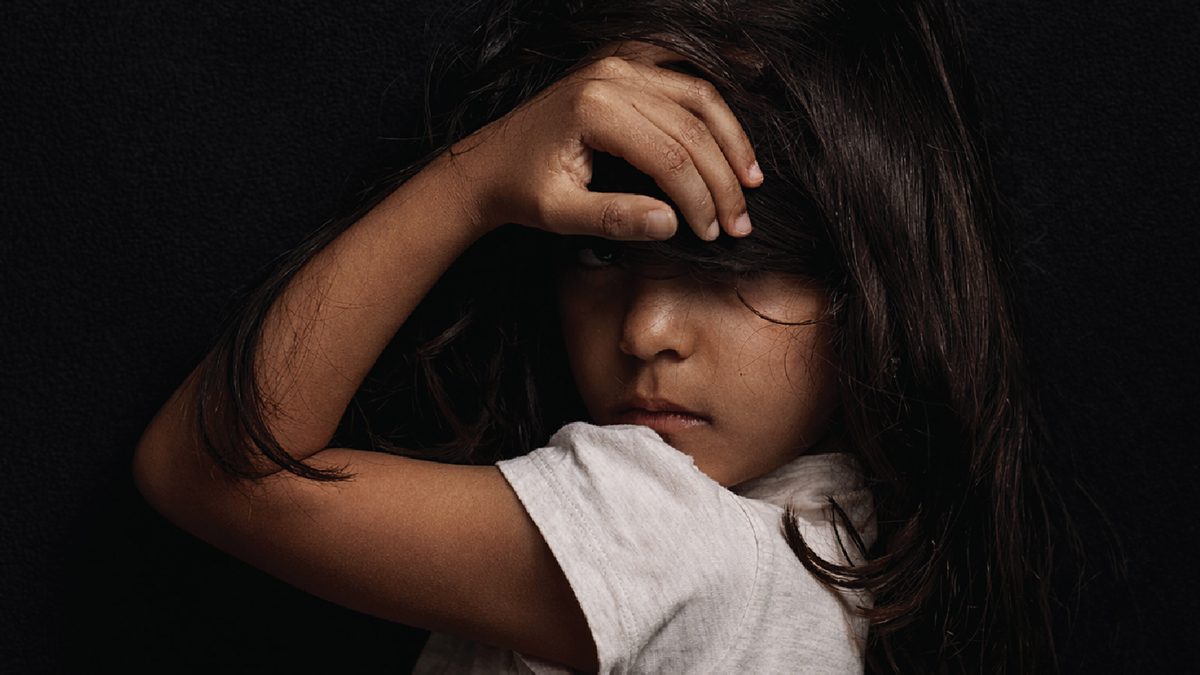
In a quiet corner of Atlanta, far from the public gaze, Faye Yager began building something that would ignite one of the most controversial moral debates in modern American history. A mother of five, Yager carried her identity as a parent into the center of her worldview. To some, she was a criminal mastermind. To others, she was a last line of defense for children trapped in dangerous homes. What she created, known as “Children of the Underground,” operated in the shadows of the legal system, challenging not only court orders but the very definition of justice.
The late 1980s and 1990s were a time when conversations about domestic abuse and child protection were gaining visibility, yet many mothers still found themselves unheard in courtrooms. Custody decisions often favored shared parenting or returned children to homes that some mothers claimed were unsafe. For Yager, these were not abstract failures. They were urgent, human crises. She believed that the legal system, bound by procedure and burdened by skepticism, was placing children back into harm’s way.
So she acted.
Yager, a mother of five, accused her first husband, Roger Lee Jones, of sexually abusing her daughter—an allegation the courts ultimately rejected, siding with Jones. Years later, her ex-husband was later identified as a convicted sex offender, and her daughter reaffirmed her account of abuse. In the wake of those experiences, Yager built a covert network that stretched across state lines. It was not formal, not documented, and not sanctioned. It relied on trust, secrecy, and a shared conviction that the law was not always synonymous with justice.
Mothers who feared for their children’s safety would find their way to Yager. From there, identities were changed, routes were mapped, and disappearances were carefully orchestrated. Children disappeared from official records, alongside the mothers who took them underground. She helped over 1,000 children, along with their mothers, escape alleged abuse by hiding them from court-ordered custody.
Authorities saw something very different. To law enforcement and the courts, these were not rescues but abductions. Custody orders were violated, investigations obstructed, and a system designed to maintain order was deliberately undermined. Yager became a target. Surveillance intensified. Legal pressure mounted. The very secrecy that protected her network also made it impossible to verify many of the abuse claims that justified its existence.
At the center of the controversy is a question that remains unresolved: what happens when the system designed to protect fails to convince those it serves? And who gets to decide when breaking the law becomes an act of moral necessity?
Yager’s supporters argued that she was responding to a system that too often dismissed allegations of abuse, particularly when evidence was difficult to prove. They pointed to cases in which children later reported harm after being returned to a parent. To them, she was not undermining justice—she was attempting to correct it in real time, one family at a time.
Her critics countered that her actions bypassed due process entirely. Without oversight, without evidence tested in court, and without accountability, the network risked enabling false accusations and irreversible separations. Children were cut off not only from alleged abusers but from entire families, identities, and futures that could never be fully reclaimed.
The story of Children of the Underground resists simple conclusions. It sits at the uneasy intersection of law and conscience, where certainty is rare and consequences are profound. Yager did not merely challenge the system; she forced it into the spotlight, exposing its limitations and its blind spots.
Faye Yager died on August 3, 2024, closing the final chapter on a life defined by secrecy, defiance, and enduring legal controversy. Her death did not resolve the debate she helped ignite. Instead, it sharpened it. The questions she raised about protection, power, and the limits of the legal system continue to reverberate.
Decades later, her actions still echo in conversations about family law, child protection, and the boundaries of civil disobedience. Was she a vigilante who endangered the rule of law, or a protector who stepped in when no one else would?
And the system she challenged continues to wrestle with the space between the two.