
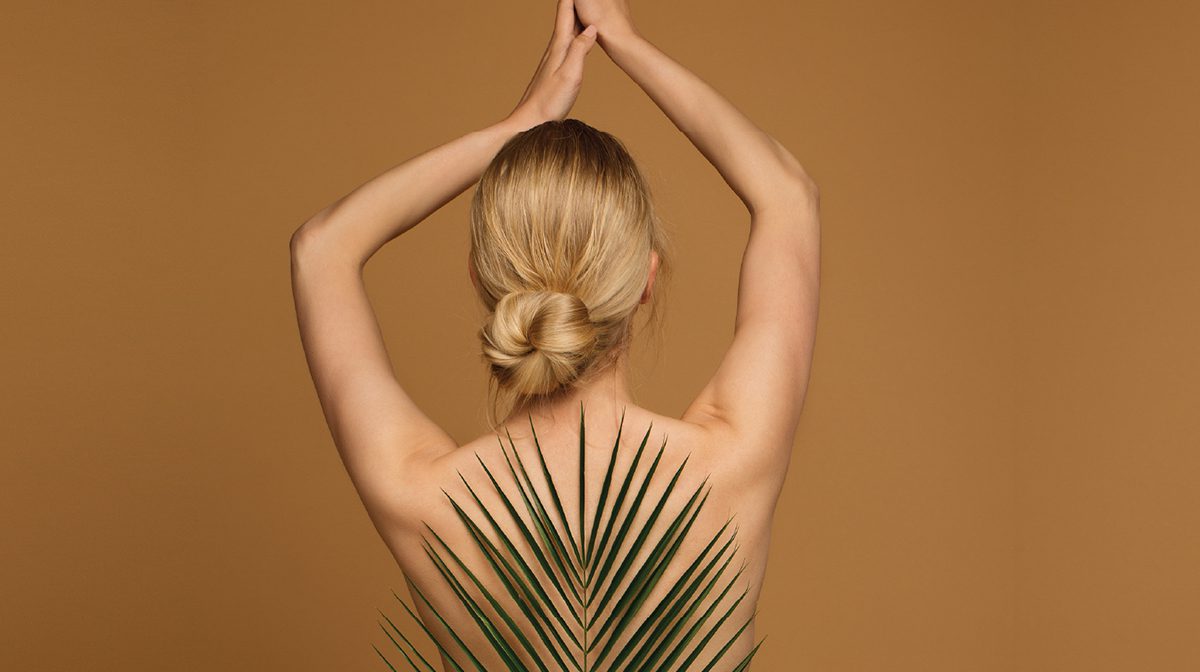
The modern wellness movement has redefined beauty. Today’s woman is not simply chasing a number on the scale—she is pursuing vitality, longevity, confidence, and refined self-care. Yet as rapid weight-loss therapies continue to transform bodies and lifestyles, a new aesthetic conversation has emerged: what happens to the skin after the transformation?
The rise of GLP-1 medications has created dramatic shifts in the world of beauty and wellness. While these treatments have helped many women achieve significant weight reduction and improved metabolic health, they have also introduced an unexpected challenge. Facial hollowing, softened jawlines, crepey skin, and loss of firmness across the abdomen, arms, and knees are becoming increasingly common concerns among women who have experienced rapid body changes.
Terms like “Ozempic face” may dominate social media headlines, but beneath the trend-driven language lies a deeper reality. Skin does not always rebound as quickly as the body changes. As collagen and elastin become compromised, the skin can struggle to maintain structural integrity, leaving women searching for sophisticated solutions that feel elegant—not extreme.
Historically, surgery was often viewed as the only effective option for excess skin removal. But a new era of aesthetic medicine is shifting away from invasive correction and toward intelligent regeneration.
One of the most talked-about innovations entering luxury aesthetic practices is fractional micro-coring technology, a minimally invasive treatment designed to address skin laxity without the use of thermal energy. Unlike traditional resurfacing procedures that rely on heat, this approach mechanically removes microscopic columns of skin while simultaneously stimulating the body’s natural collagen remodeling process.
The result is a refined tightening effect that improves skin texture, firmness, and elasticity with minimal downtime.
For women focused on graceful aging and elevated wellness, the appeal is undeniable. The treatment aligns perfectly with the growing philosophy of “pre-rejuvenation”—the idea that maintaining skin quality early is far more desirable than aggressively correcting damage later.
What makes micro-coring especially compelling is its versatility. Once primarily associated with facial rejuvenation, the technology is now gaining attention for body applications as well, including the abdomen, flanks, neck, and upper arms—areas commonly affected after substantial weight loss. In many cases, visible improvement can occur after a single treatment session.
Equally important for discerning patients is recovery. Facial treatments generally require less than a week of social downtime, while body treatments can often be discreetly concealed beneath clothing, allowing women to maintain demanding schedules, travel commitments, and active lifestyles uninterrupted.
Luxury aesthetics is increasingly becoming less about dramatic alteration and more about subtle optimization. Women today are seeking treatments that preserve authenticity while enhancing confidence. They want science-backed innovation that respects individuality, diverse skin tones, and long-term skin health.
That shift is redefining the future of beauty.
The next generation of aesthetic medicine will not be centered solely on injectables or surgical intervention. Instead, it will focus on regenerative technologies that work harmoniously with the body’s natural healing mechanisms. Skin quality, muscle tone, collagen preservation, and overall wellness are becoming interconnected parts of a larger longevity conversation.
For the sophisticated woman investing in herself—mind, body, and appearance—the ultimate luxury is no longer perfection. It is preservation. It is confidence that looks effortless. And increasingly, it is skin that reflects vitality as beautifully as the life she has built.

by Shani Caviness, PA-C | ELYSIAN Beauty Subject Matter Expert | IG: @ellacorqueen