
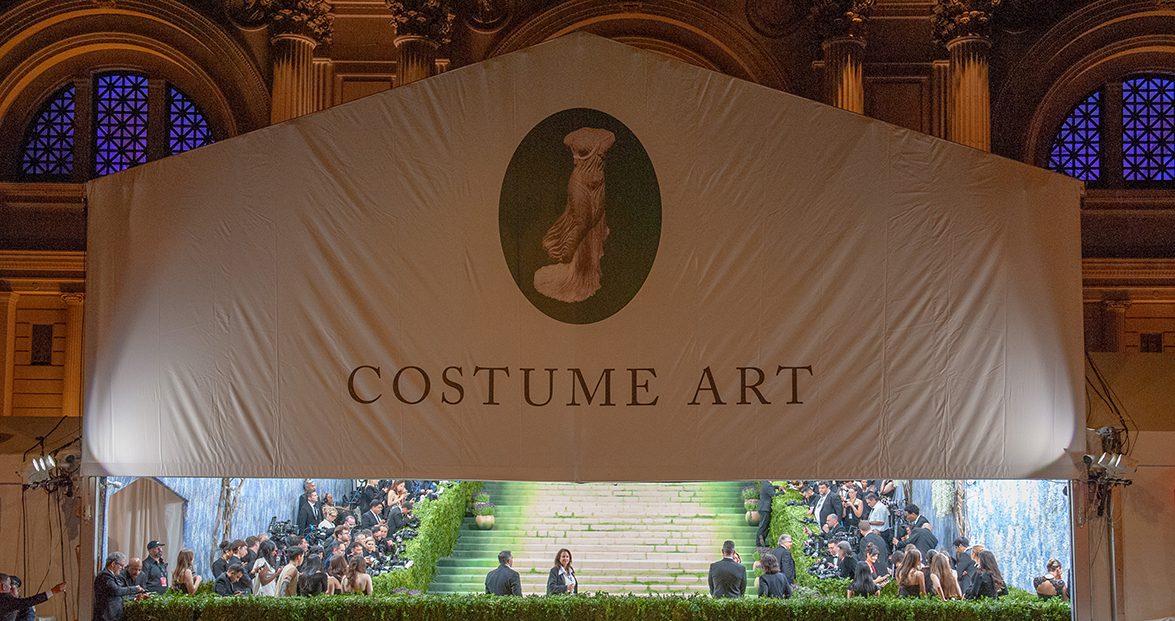
On Monday, May 4, 2026, the steps of the Metropolitan Museum of Art once again transformed into the most glamorous runway in the world as fashion’s elite gathered for the annual Met Gala. Held, as always, on the first Monday in May, this year’s spectacle launched the Costume Institute’s newest exhibition, “Costume Art,” a theme that blurred the boundaries between couture, sculpture, performance, and fine art itself.
For women who view fashion as both identity and investment, the 2026 Met Gala delivered something deeper than celebrity spectacle—it offered a masterclass in modern luxury storytelling. This year’s event embraced the idea that clothing is no longer merely worn; it is curated, collected, and culturally interpreted. The exhibit itself explores fashion through the lens of artistic expression, examining how garments shape the body and reflect evolving ideals of beauty across centuries.
Of course, no Met Gala exists without a layer of power and intrigue. Much of the evening’s conversation centered around honorary chairs Jeff Bezos and Lauren Sánchez Bezos, whose presence signaled the increasing collision of tech wealth and couture culture. Sánchez arrived in a dramatic custom Schiaparelli gown inspired by John Singer Sargent’s infamous Madame X portrait—a daring choice that perfectly embodied the evening’s “Fashion Is Art” dress code.
The red carpet itself felt cinematic. Beyoncé stunned in a crystal-covered Olivier Rousteing creation resembling a jeweled skeletal sculpture, while Nicole Kidman embraced old-Hollywood refinement in Chanel couture. Venus Williams wore a Swarovski-encrusted masterpiece featuring a Wimbledon-inspired chest plate that fused athletic legacy with avant-garde glamour. Meanwhile, Doja Cat once again proved she understands the assignment better than almost anyone, arriving in a surreal Grecian-inspired silicone Saint Laurent look that instantly dominated social media conversation.
Among the evening’s most romantic interpretations of the theme was Blake Lively, who embraced the artistic spirit of the gala in a pastel Atelier Versace creation adorned with intricate three-dimensional architectural detailing inspired by 18th-century Venetian Rococo paintings. Lively explained that she was drawn to wearing a design with historical significance, viewing fashion as a living canvas capable of carrying legacy, craftsmanship, and storytelling across generations. The result was both ethereal and intellectual—exactly the type of timeless glamour the Met Gala was designed to celebrate.
Other unforgettable moments included Kendall Jenner in architectural couture with exaggerated wings, Sabrina Carpenter in a Dior gown crafted from cascading film strips, and Lisa wearing a sculptural ensemble adorned with mannequin arms—a literal interpretation of the body-as-art concept.
For those wanting to revisit the evening’s most breathtaking looks, photo galleries from Vogue’s complete Met Gala coverage and Harper’s Bazaar’s celebrity red carpet gallery offer an immersive visual archive of the night.
The Met Gala’s enduring power lies in its ability to evolve. Originally founded in 1948 as a modest fundraiser for the Costume Institute, the event has transformed into fashion’s most exclusive cultural stage—where luxury, celebrity, business, and artistic relevance converge under one roof. Today, invitations are more coveted than Oscars seats, and a single appearance can redefine a designer, celebrity, or brand overnight.
Yet what made the 2026 Met Gala especially captivating was its emotional undertone. In an era dominated by AI, digital identities, and fast-moving trends, “Costume Art” reminded audiences that true luxury still lives in craftsmanship, fantasy, and human creativity. And for one unforgettable night in New York City, fashion was not simply worn—it became art in motion.