
The most influential home trends rarely arrive with fanfare. They emerge quietly, settling into daily life until one day we realize the way we live has fundamentally changed. That is precisely what is happening now. Across architecture, interior design, and wellness innovation, a new generation of ideas is reshaping the home—not as a showcase of possessions, but as an environment that actively supports well-being, adapts to changing needs, and creates a deeper sense of ease.
One of the most significant shifts is the rise of what designers call invisible wellness. Rather than dedicating an entire room to health, wellness is increasingly woven into the infrastructure of the home itself. Advanced air and water filtration systems, circadian lighting that adjusts throughout the day, and technology designed to support healthier sleep patterns are becoming quietly integrated features rather than visible amenities. Industry forecasts show growing interest in homes designed around longevity and everyday well-being, signaling a future where healthy living is built directly into the walls around us.
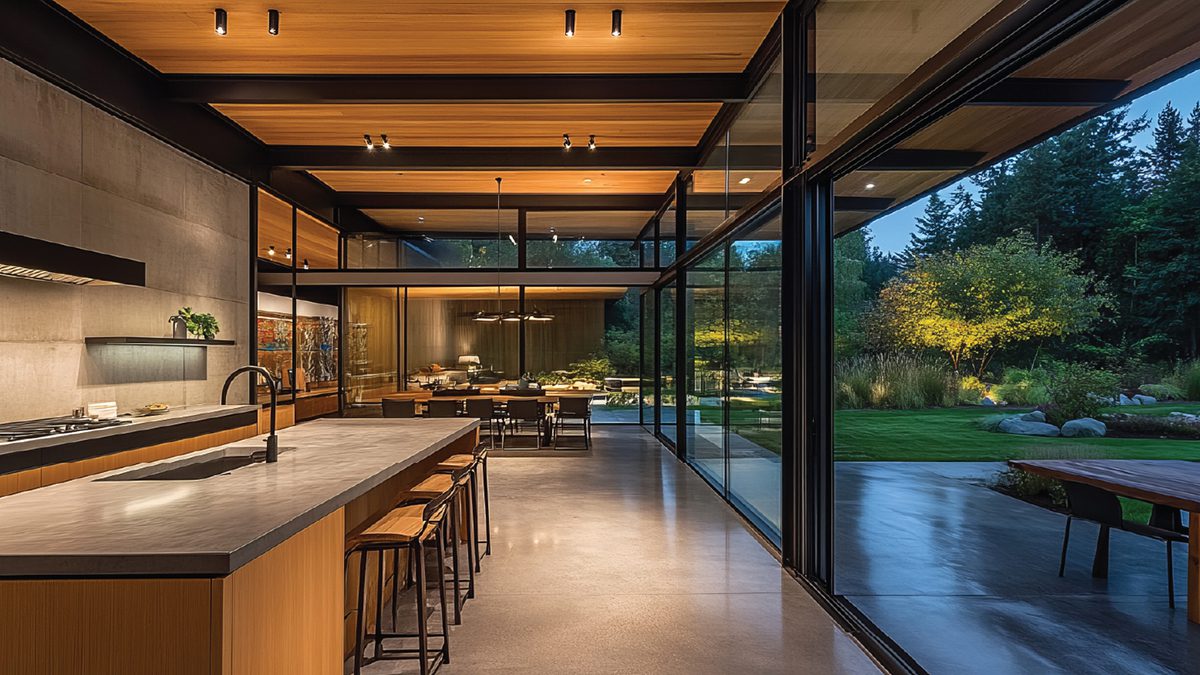
At the same time, nature is moving from decorative accent to guiding design principle. The next decade will see continued growth of biophilic design—an approach that creates stronger connections between indoor spaces and the natural world through organic materials, natural light, earthy palettes, and sensory-rich environments. But this movement is evolving beyond the predictable collection of houseplants. Designers are increasingly focused on tactile surfaces, layered textures, natural forms, and materials that create a calming, restorative atmosphere. Research and industry reports consistently point to biophilic design as one of the defining influences on residential interiors moving forward.
Perhaps even more intriguing is the growing rejection of excess. After years of highly curated social-media interiors, many homeowners are embracing what could best be described as sculptural restraint. The goal is not minimalism in the stark sense, but rather intentionality. A hand-carved table. A textured plaster wall. A statement light fixture that doubles as art. Spaces feel richer because they contain fewer but more meaningful elements. Industry experts describe this evolution as a move toward slower, more thoughtful decorating that prioritizes craftsmanship, permanence, and personal narrative over trends.
Texture, in particular, is becoming the new language of sophistication. Bouclé, linen, natural stone, limewash finishes, woven fibers, and handcrafted ceramics add depth without visual clutter. Rather than relying on bold colors or ornate detailing, designers are creating interest through layers of touchable materials that make rooms feel both elevated and deeply comfortable.
The final trend shaping the next decade may be the most important: adaptability. Homes are increasingly being designed around real life rather than rigid floor plans. Flexible spaces, multifunctional furnishings, and rooms that evolve with changing routines reflect a broader shift toward homes that respond to the people living in them instead of demanding the opposite.
Taken together, these trends reveal a future that feels less concerned with impressing others and more focused on enhancing everyday life. The next decade’s most beautiful homes may not be the most extravagant. They will be the ones that quietly help us feel healthier, calmer, and more connected to the way we truly want to live.