
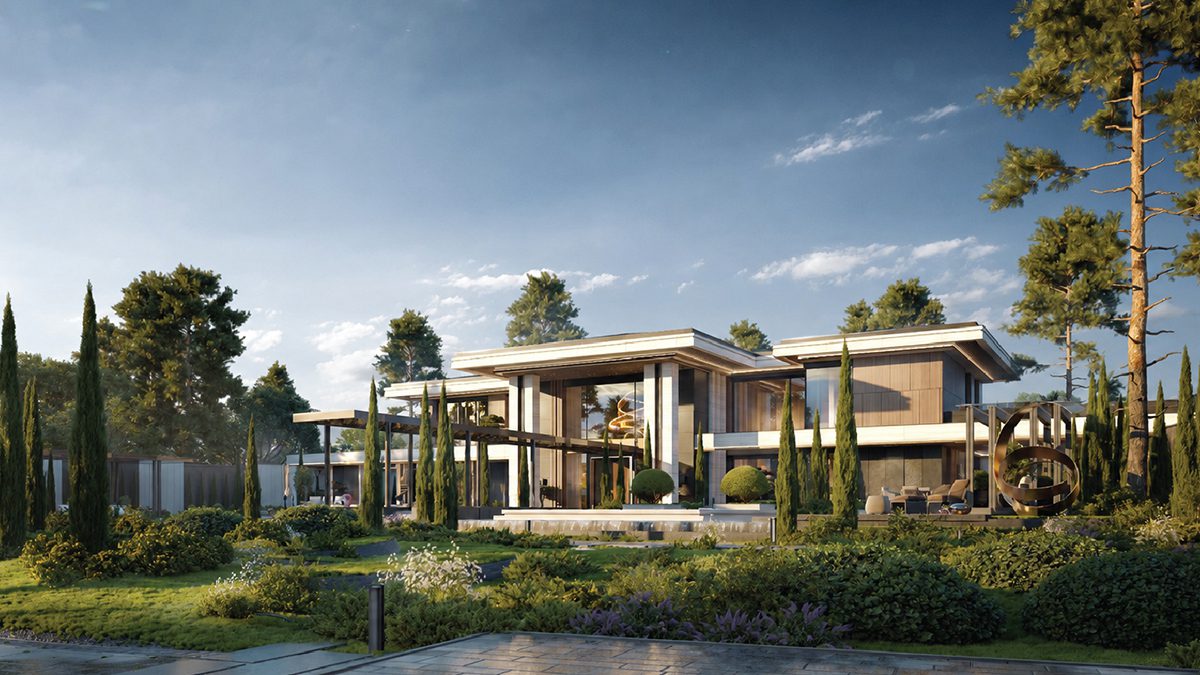
A perfectly manicured lawn has long been considered a hallmark of luxury. But today’s most sophisticated homeowners are redefining what beautiful landscapes look like. The new aspiration isn’t simply lush green grass and vibrant gardens—it’s achieving them through intelligence, efficiency, and sustainability.
Across the country, homeowners are embracing a new philosophy of landscape management: preserving beauty while using fewer resources. In an era of rising environmental awareness, changing weather patterns, and increasing water costs, irrigation is no longer viewed as a utility hidden underground. It has become a sophisticated landscape-preservation technology designed to protect one of a property’s most valuable assets.
The most sought-after landscapes today are powered by smart irrigation systems that think before they water. These advanced platforms analyze real-time weather forecasts, soil moisture levels, evaporation rates, and even the unique needs of specific plants. Rather than relying on outdated timers, they automatically adjust watering schedules to deliver precisely what the landscape requires—and nothing more.
One of the most advanced examples of this evolution is the integration of cloud-based irrigation intelligence systems such as Weathermatic SmartLink. Rather than functioning as a simple controller, SmartLink operates as a centralized landscape management platform used across large estates, campuses, resorts, and HOAs. It connects irrigation infrastructure to live environmental data streams—including local weather patterns, sky conditions, precipitation forecasts, and evapotranspiration models—so systems can respond dynamically to what nature is doing in real time. In this way, irrigation is no longer just scheduled; it is continuously synchronized with the actual conditions above and around the property. While it incorporates forms of artificial intelligence, it is important to note that this is not “AI” in the consumer chatbot sense. Instead, it is a highly specialized, rules-based and predictive intelligence layer built specifically for water management, optimization, and landscape performance.
For luxury homeowners, the appeal goes beyond conservation. Precision irrigation creates healthier turf, stronger root systems, more vibrant gardens, and lower maintenance demands. The result is a landscape that remains consistently beautiful through seasonal fluctuations while avoiding the waste that increasingly feels out of step with modern luxury.
One of the fastest-growing trends is precision watering. Instead of treating an entire property as a single zone, today’s systems map landscapes almost like a blueprint. Sunny lawns receive different amounts of water than shaded areas. Flower beds, hedges, mature trees, and turf each receive customized irrigation based on their specific needs. Even more importantly, water is no longer being wasted on driveways, sidewalks, or hardscapes.
Perhaps the most luxurious feature of all is what homeowners don’t see.
Landscape architects and designers are increasingly specifying concealed drip systems, flush-mounted sprinkler heads, hidden moisture sensors, and app-controlled technology that operates quietly in the background. The trend is simple: the technology disappears so the landscape can take center stage.
Many high-end properties are also adopting hybrid irrigation systems that combine traditional sprinklers for turf areas with drip irrigation for planting beds and ornamental gardens. This approach dramatically reduces evaporation and runoff while delivering water directly where it matters most.
A key component of this hidden infrastructure is pressure-compensating drip irrigation, most notably pioneered at scale by Netafim, a global leader in precision water delivery systems. Unlike surface-level watering, drip lines are often installed beneath mulch or soil, delivering water directly to the root zone where it is most effective. These systems are engineered to maintain consistent flow regardless of terrain or pressure variations, ensuring uniform hydration across an entire landscape. In many advanced installations, small indicator flags or visual flow markers rise in response to water pressure, giving landscape teams a discreet but immediate confirmation that irrigation is actively functioning as intended. This combination of underground delivery and visible performance verification reflects a larger shift in luxury landscaping: precision that is both invisible and intelligently accountable.
Of course, even the smartest irrigation system performs best when paired with sound landscape practices. Increasing mowing heights during summer months can reduce water loss. Core aerification improves water penetration into root zones. Organic mulches help retain moisture, moderate soil temperatures, and suppress weeds. Soil amendments and wetting agents can further improve water absorption in sandy or compacted soils.
Perhaps the most significant shift occurring in luxury landscaping is the move toward resilience. Today’s homeowners are increasingly selecting climate-adapted plants, native species, drought-tolerant ornamentals, and water-conscious landscape designs that remain stunning even during periods of environmental stress.
The conversation has evolved. The goal is no longer simply having the greenest lawn on the block. Instead, today’s most desirable landscapes are defined by intelligence, efficiency, resilience, and year-round beauty.
Because true luxury isn’t about consuming more resources. It’s about achieving extraordinary results with exceptional design—and a little help from smart technology quietly working beneath the surface.

by Tammy Kovar,
Certified Arborist and Owner of Biological Tree Services