
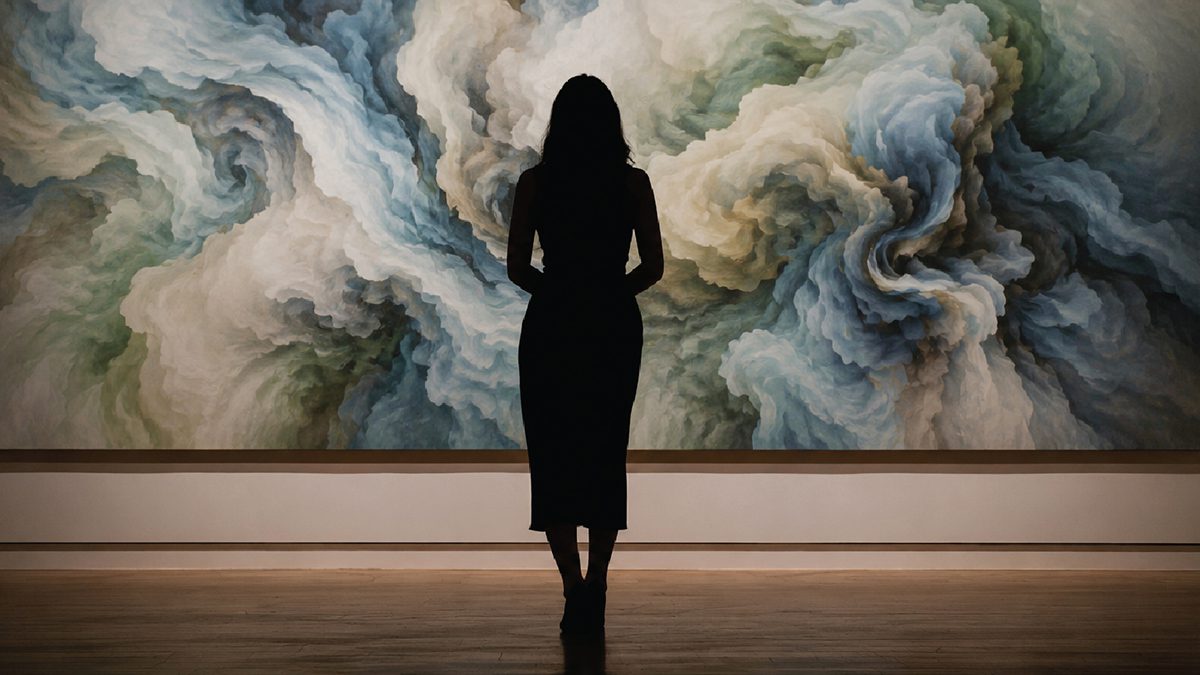
Throughout Western medicine physicians have prescribed medications and recommended lifestyle alterations to improve health outcomes. A public health model, known as social prescribing, is acknowledging overall wellbeing is influenced by more than medical interventions. In Canada, arts-based social prescribing programs have demonstrated how cultural experiences play a meaningful role in supporting both physical and mental health.
Social prescribing connects patients with community resources that can improve quality of life and complement traditional medical care. Since the 2010’s, Canadian physicians and health programs have embraced the arts as a powerful tool for healing and wellbeing. An area well studied by artists, art historians, and art therapists for decades if not centuries before. Through innovative partnerships between healthcare providers and museums, physicians are now able to prescribe visits to cultural institutions as part of a patient’s treatment plan.
Among the most notable examples is the Montreal Museum of Fine Arts, which pioneered a museum prescription program in partnership with physicians. Through this initiative, doctors can provide patients with free admission to the museum. The program was developed as an adjunct to traditional treatment and has been used to support individuals experiencing conditions such as anxiety, depression, chronic pain, and dementia. Rather than replacing medical care, museum visits serve as a complementary experience.
Similarly, the Vancouver Art Gallery has partnered with PaRx, Canada’s national nature prescription program led by BC Parks Foundation. Through PaRx, registered healthcare professionals prescribe time in nature to support physical and mental health. Patients who receive a PaRx prescription are also eligible for a range of benefits, including free admission to the Vancouver Art Gallery through its Art of Wellbeing program. Patients are encouraged to engage with works by celebrated Canadian artist Emily Carr, whose paintings often depict the natural landscapes of British Columbia. The program recognizes that experiences of beauty, creativity, and contemplation can contribute positively to emotional wellbeing.
These initiatives are rooted in a growing body of research demonstrating the health benefits of engaging with art. Studies from the World Health Organizations have shown that viewing and creating art can reduce stress, lower anxiety, stimulate cognitive activity, and improve mood. Art experiences can also foster social interaction, helping to reduce feelings of isolation and loneliness. For older adults, individuals living with chronic illness, and those experiencing mental health challenges, cultural engagement provides a sense of purpose, connection, and joy that complements clinical treatment.
The success of these programs also signals a broader shift in how society understands health. Healthcare professionals, policymakers, and community leaders recognize that social, emotional, and cultural factors contribute significantly to overall health outcomes. Museums and cultural institutions are positioned to support these goals because they offer spaces for learning, reflection, creativity, and connection.
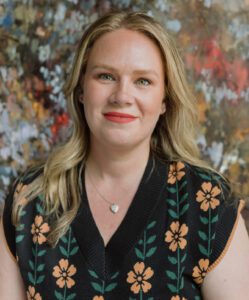
Taylor Emmons
CEO and Founder of Tailored Impact: An Art and Culture Firm
Contact information: taylor.emmons@tailoredimpactllc.com
Instagram: tailored impact.firm
June 8, 2026