
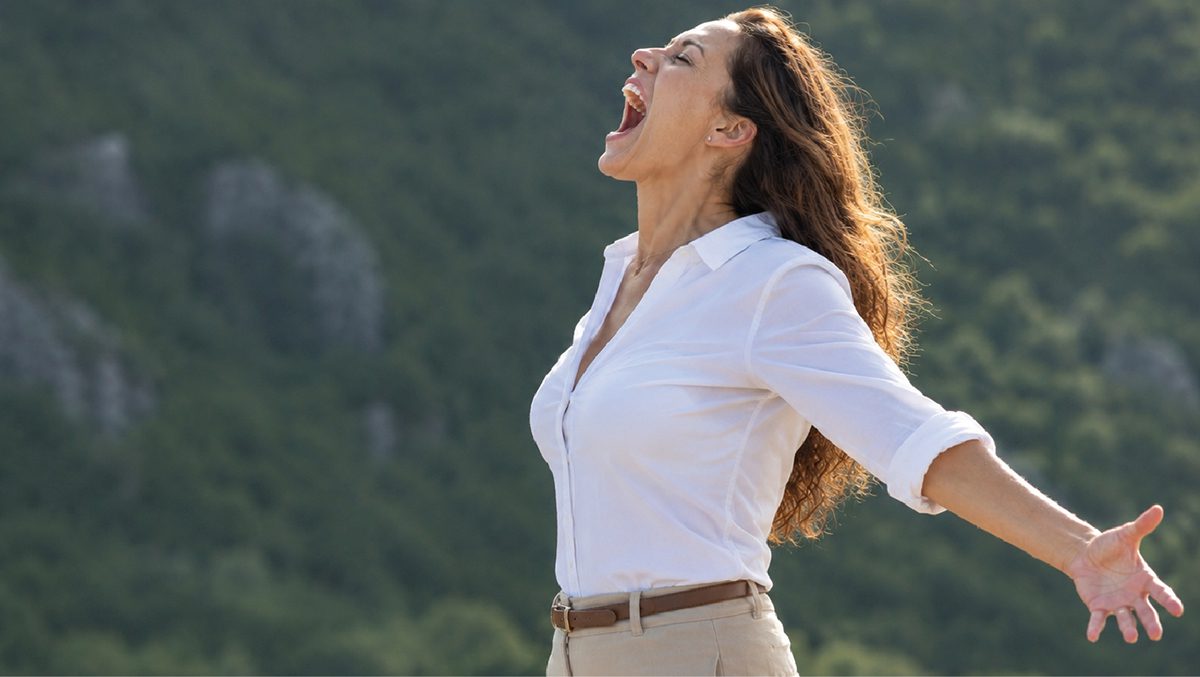
Luxury wellness has long been associated with silence. Meditation retreats. Sound baths. Breathwork sessions conducted in hushed studios overlooking oceans or mountains. For years, the highest expression of wellbeing seemed to involve becoming calmer, quieter, and more composed.
Now, a surprising countertrend is emerging.
Across parks, beaches, forests, and private retreats, groups of women are gathering not to cultivate silence, but to break it. Known informally as “scream circles,” these gatherings invite participants to take a deep breath and release a loud, uninhibited scream into open space. What sounds unconventional at first glance is attracting women who spend much of their lives managing expectations, leading organizations, caring for families, and maintaining an appearance of control.
The appeal is less about the scream itself and more about what it represents.
Modern life rewards emotional restraint. Professional success often requires diplomacy. Social media encourages polished self-presentation. Even wellness culture can sometimes create pressure to appear perpetually balanced and serene. The result is that many women become highly skilled at containing frustration, grief, stress, disappointment, and anxiety without ever fully expressing them.
Scream circles offer a rare interruption to that pattern.
While research on scream circles specifically remains limited, psychologists have long recognized the value of emotional expression and social connection in supporting wellbeing. Group experiences that foster vulnerability can strengthen feelings of belonging and reduce isolation. Vocal expression itself has been explored within various therapeutic and somatic practices as a way of releasing tension and increasing awareness of emotional states.
Participants frequently describe the experience not as rage-filled or chaotic, but as unexpectedly freeing. The first scream often feels awkward. The second feels less self-conscious. By the third, many report feeling lighter, more energized, and surprisingly connected to the strangers standing beside them.
What follows may be the most significant part of the ritual.
After the collective release comes laughter.
Sometimes tears.
Sometimes long conversations between women who met only moments before.
The scream becomes a catalyst for something increasingly rare in modern life: authentic human connection. There is little room for performance when everyone has just shared an experience that is inherently vulnerable. Titles, accomplishments, and carefully curated identities fade into the background. What remains is a shared recognition that everyone is carrying something.
This may explain why scream circles are finding an audience among women who have already mastered many traditional wellness practices. They are not seeking another optimization strategy or productivity tool. They are seeking relief from the expectation of constant composure.
In many ways, the trend reflects a broader shift occurring throughout wellness culture. Increasingly, women are moving away from perfection-focused self-improvement and toward emotional resilience. The conversation is expanding beyond physical health to include nervous system regulation, community, belonging, and psychological wellbeing.
The true luxury is no longer appearing effortlessly put together.
It is having spaces where you do not have to be.
Whether scream circles become a lasting wellness movement or remain a niche ritual, their popularity reveals something important about this cultural moment. Beneath the pursuit of mindfulness, longevity, and peak performance lies a more fundamental human need: to be seen, heard, and understood.
Sometimes that begins with a conversation.
And sometimes, surprisingly, it begins with a scream.