
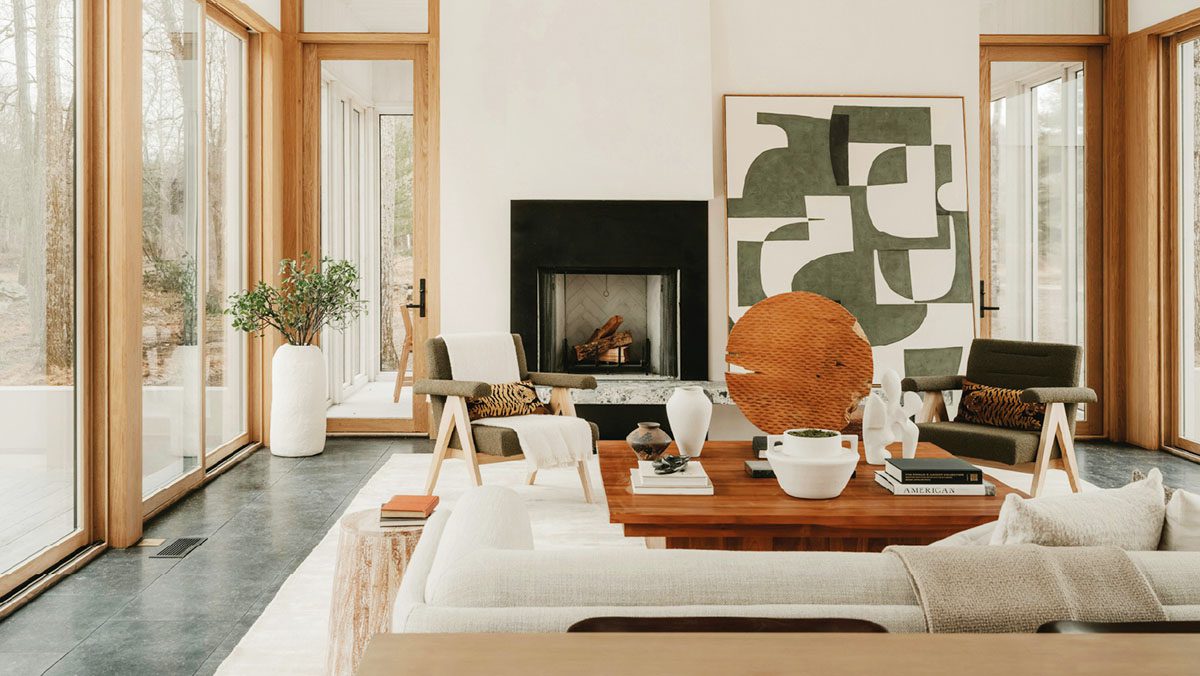
The most captivating homes rarely feel as though they were designed in a single afternoon. Instead, they reveal themselves slowly, through the antique found on a memorable trip, the chair inherited from a grandparent, the worn leather that has softened with years of use and the artwork that means something to the person who lives there. In 2026, that sense of history is becoming one of the most compelling forms of beauty.
For years, the ideal interior was defined by coordination. Matching furniture, immaculate finishes and carefully edited palettes promised a kind of perfection that photographed beautifully but could sometimes feel strangely anonymous. Now, designers are moving toward rooms with more character, contrast and evidence of a life being lived.
Architectural Digest’s 2025 interior design forecast identified layered, personality-driven spaces as a defining direction, with designers encouraging homeowners to mix patterns, colors and objects that tell the story of the people who inhabit them. Its 2026 forecast goes even further, describing a renewed appetite for self-expression, eclecticism, saturated color and warm, textured layers.
The difference is subtle but significant: the goal is no longer to make everything match. It is to make everything belong.
That might mean placing a sleek contemporary sofa beside an eighteenth-century side table, hanging modern photography above a weathered chest or pairing polished marble with an imperfect piece of reclaimed wood. The contrast creates tension, and tension creates interest.
Antiques are particularly powerful because they bring something a new purchase cannot manufacture: provenance. Architectural Digest has noted that designers increasingly use antiques and inherited pieces to introduce soul, history and narrative, often combining furnishings from different periods rather than creating a room around one particular era.
And then there is patina.
A scratch on a wooden table, the fading of an old rug or the softened edge of a leather chair can tell us that something has been used, loved and kept. Rather than treating these imperfections as flaws, today’s most thoughtful interiors allow them to become part of the design. Natural materials are especially compelling because they change over time, developing character rather than simply showing wear.
This philosophy also makes room for the deeply personal. A collection of books. A child’s artwork. A ceramic picked up while traveling. A portrait of someone who mattered. A strange little object that would make no sense in a showroom but makes perfect sense in the context of one family’s life.
The result is not clutter. It is curation with memory.
The most successful collected interiors still require restraint. Every object does not need to be displayed, and every sentimental possession does not automatically deserve a place of prominence. The art is in knowing what to keep, what to edit and what deserves to become part of the visual conversation.
Perhaps that is why the most beautiful homes increasingly feel less like finished products and more like evolving stories. They are not frozen in a particular moment or designed to prove that every choice was correct. They have room for the unexpected, the inherited, the imperfect and the wonderfully personal.
Because the home that stays with us is rarely the one that looked perfect.
It is the one that felt like someone lived there.