
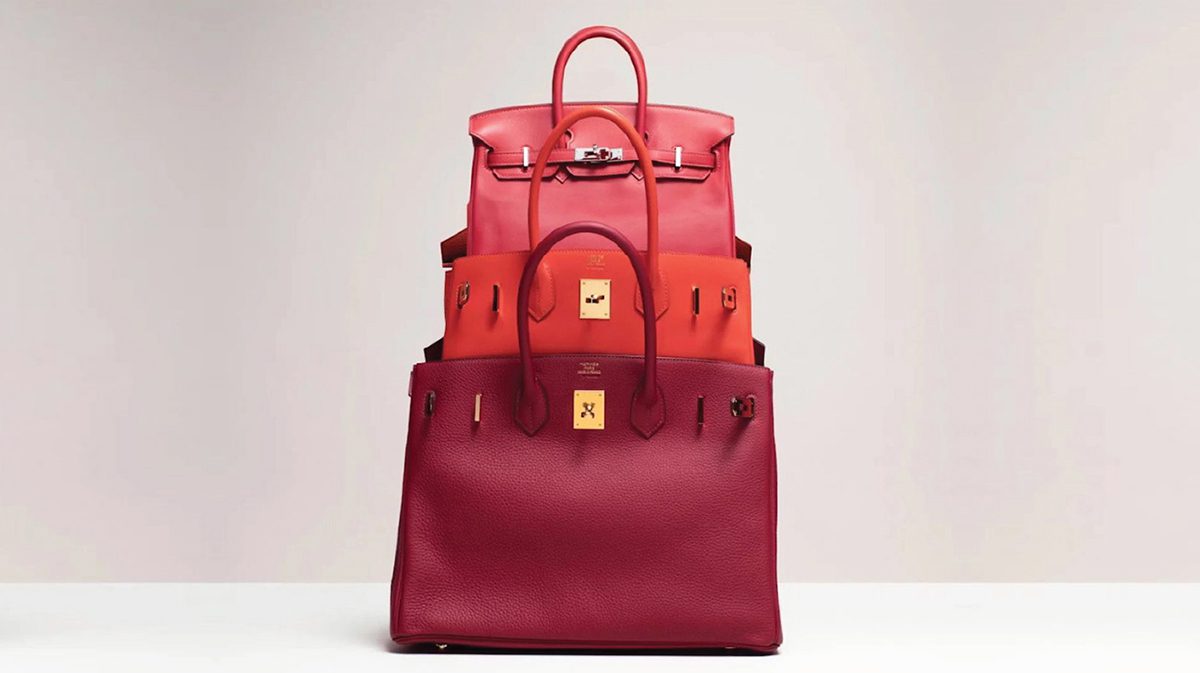
Once regarded as the ultimate status symbol, the Hermès Birkin or Kelly bag has transcended its origins as a mere fashion accessory. In today’s investment landscape, these meticulously crafted handbags are rivaling — and in many cases outperforming — traditional asset classes like gold and blue-chip stocks. For the discerning collector and savvy investor, the luxury handbag market has quietly become one of the most stable and profitable corners of the global economy.
Hermès handbags have always represented exclusivity. Each piece can take up to 48 hours to hand-stitch in the brand’s French ateliers, crafted by artisans who undergo years of training. Yet the rarity of these handbags lies not only in their craftsmanship but in their scarcity. With limited production and tightly controlled distribution, even long-time clients can find themselves on multi-year waitlists. This scarcity fuels demand in the secondary market, where certain rare editions — such as a matte white Himalaya Birkin with diamond-encrusted hardware — have fetched auction prices well over $400,000.
According to recent luxury asset indexes, Birkin and Kelly bags have appreciated by more than 500% over the past 35 years, outpacing both the S&P 500 and gold. During economic downturns, their value has remained remarkably resilient. Many luxury investors have seen that handbags have proven to be remarkably inflation-resistant, combining tangible value, aesthetic beauty, and global demand — the same qualities that have made fine art and rare watches such enduring investments.
Much like art collecting, handbag investment is driven by a confluence of emotional and financial appeal. Each piece tells a story of craftsmanship, heritage, and personal style — a wearable expression of identity. But it’s also a market guided by data and expertise. The most astute collectors focus on provenance, condition, and material. Exotic leathers such as porosus crocodile or ostrich, paired with rare colorways like Vert d’Eau or Bleu Jean, can command exponential premiums. Limited-edition collaborations or discontinued sizes add another layer of rarity.
Platforms such as Sotheby’s, Christie’s, and even online marketplaces like Rebag and Vestiaire Collective have legitimized this investment category by offering authentication services and transparent resale data. Some private investors now diversify their portfolios with handbags the way others might with wine or art — storing their collections in climate-controlled vaults and tracking appreciation through digital ledgers.
Beyond financial return, there is a growing recognition of the cultural power behind the “purse portfolio.” Unlike traditional assets, handbags bridge fashion, art, and emotion. They carry legacy and lineage, often passed from one generation to the next. In an age where wealth management increasingly reflects personal values and passions, this blend of utility and artistry resonates deeply with successful women who see luxury not merely as consumption, but as curation.
Of course, not every handbag will yield a golden return. Trends fluctuate, and liquidity depends on timing and condition. But for those who understand the nuances — craftsmanship, provenance, and rarity — the payoff can be extraordinary.
In many ways, the Hermès Birkin and Kelly have become symbols of financial empowerment as much as elegance. They embody the modern intersection of taste and strategy — where a beautiful object can appreciate in value, tell a story, and serve as a tangible store of wealth. In a world of volatile markets and fleeting trends, these handbags remind us that sometimes, the smartest investments are the ones you can hold in your hand.