
Over the last decade, the United States has made real progress reducing veteran homelessness overall. A coordinated federal effort—anchored by the Department of Veterans Affairs (VA), the Department of Housing and Urban Development (HUD), and thousands of community partners—has driven steady declines in the number of veterans experiencing homelessness on any given night. Investments in “Housing First” approaches, HUD‑VASH housing vouchers, and Supportive Services for Veteran Families have helped move tens of thousands of veterans and their families into stable housing and keep many more from falling into crisis. In many respects, this is a story of a system that can work when it is properly resourced, aligned, and relentlessly focused on outcomes.
But within that success story is a fast‑growing, structurally different population whose needs are still not fully met: women veterans.
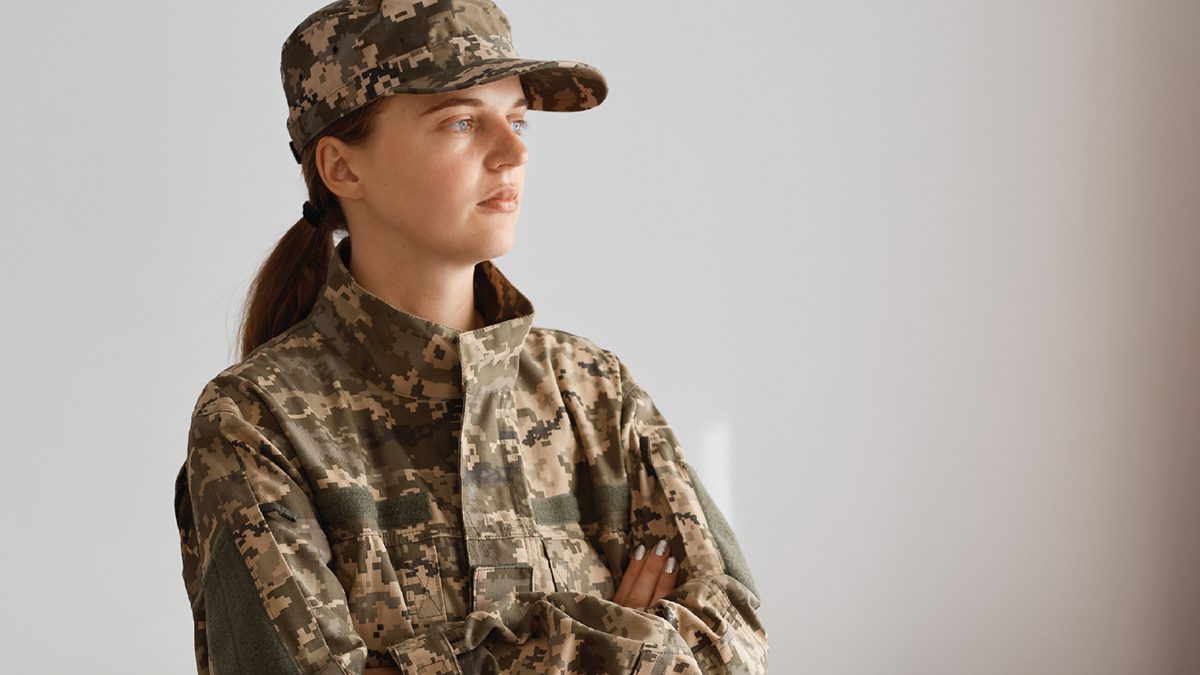
Women are the fastest‑growing segment of the veteran community, and their risk profile for homelessness often looks very different from that of their male peers. Even in years when overall veteran homelessness has gone down, communities across the country have seen disproportionate increases among women veterans. Women still represent a minority of homeless veterans in raw numbers, but they are much more likely to present as part of a family unit, to have children in their care, and to cycle between unstable couch‑surfing, overcrowded housing, or unsafe environments rather than the stereotypical image of a single adult on the street.
Part of the challenge is that many of the systems that support veterans, including those that serve them exceptionally well in many areas, were originally built around the needs and life patterns of men. For decades, the “typical” veteran envisioned in policy, program design, and even facility planning was a single male with no dependents. Women veterans, especially those with children, do not always fit cleanly into those legacy structures. Traditional shelter models may not accommodate families or feel safe for survivors of trauma. Transitional housing may not have enough units designed for women with children. Eligibility rules and outreach strategies that work for older male veterans do not always reach younger women who may not even self‑identify as “veterans” in the first place.
VA has recognized these gaps and, to its credit, has been steadily working to close them. Over the past several years, VA has expanded women’s health services, increased the number of Women Veterans Program Managers, and invested in trauma‑informed care and specialized services for survivors of military sexual trauma. Homelessness programs have placed greater emphasis on women veterans and women with children, and VA has strengthened partnerships with community providers that offer women‑only and family‑focused housing options. In many communities, VA homeless program teams are at the table every day with local Continuums of Care, law enforcement, and nonprofits, working case by case to get women veterans and their families quickly into safe, stable housing.
Those efforts matter, and they deserve to be recognized and supported. The path forward is not about criticizing VA from the outside; it is about standing alongside VA and community partners to accelerate what is already working and to help adapt where needs are changing fastest. Women veterans benefit most when the system functions as an ecosystem: VA bringing its scale, benefits, and clinical capacity; local agencies bringing agility and neighborhood knowledge; and mission‑driven foundations filling the gaps that fall between federal programs and local realities.
Women veterans face a distinct set of pressures as they transition from service: balancing caregiving and employment, navigating identity in a society that does not always “see” them as veterans, and managing higher rates of trauma‑related conditions. When housing instability enters that mix, it can escalate quickly. The solutions that work best for women are those designed with their realities at the center—housing models that presume children may be present, services that are trauma‑informed from the front door, and outreach that explicitly names and welcomes women who may not view themselves as part of traditional veteran networks.
That is where the Nebras Hayek Foundation comes in. Rather than trying to replace or compete with government services, the Nebras Hayek Foundation is committed to working alongside VA, HUD‑VASH teams, and local providers to support women veterans holistically. The foundation helps connect women veterans to the benefits and programs they have earned, supports safe and stable housing solutions, and strengthens the community networks that sustain long‑term stability—peer support, mentorship, and a sense of belonging that does not end when the paperwork is complete.
By standing shoulder‑to‑shoulder with VA and community partners, the Nebras Hayek Foundation aims to ensure that progress in reducing veteran homelessness is truly inclusive of women veterans and their families. If you would like to be part of that effort, you can learn more or make a contribution at Nebrashayek.org.