
For decades, retail taught consumers to equate abundance with value. More flavors. More colors. More SKUs. More choice.
But a different business model is gaining cultural and commercial traction: sell less, make it exceptional, and make the act of buying feel like access to something special.
PopUp Bagels offers a compelling case study. Its proposition is almost radically simple: hot bagels, schmears and a deliberately narrow assortment of accompaniments. By limiting complexity, the company can concentrate attention on execution, consistency and brand identity. Yet the ritual surrounding the product creates something potentially more valuable than a bagel run: anticipation.
A related principle appears at the highest end of the market, where even broad luxury houses concentrate enormous cultural power in a handful of hero products. At Hermès, the Birkin and Kelly have become icons far larger than their individual product categories. Fine-dining institutions such as The French Laundry make curation part of the luxury proposition through chef-directed tasting experiences. Rolls-Royce takes the idea in another direction, transforming the automobile into a deeply personalized commission through its Bespoke program.
The common thread is not scarcity alone. It is conviction.
The brand is effectively saying: We know what we do. We know how it should be done. You are buying into our point of view.
That distinction matters in the current consumer environment. McKinsey and The Business of Fashion’s 2026 State of Luxury research found that emotional connection has become a leading driver of desirability in both the United States and China, while consumers increasingly associate exclusivity with recognition, access and experiences rather than simple difficulty of purchase. In the United States, early access, limited editions and membership-like benefits rank among the strongest exclusivity drivers.
This creates an intriguing opportunity for entrepreneurs.
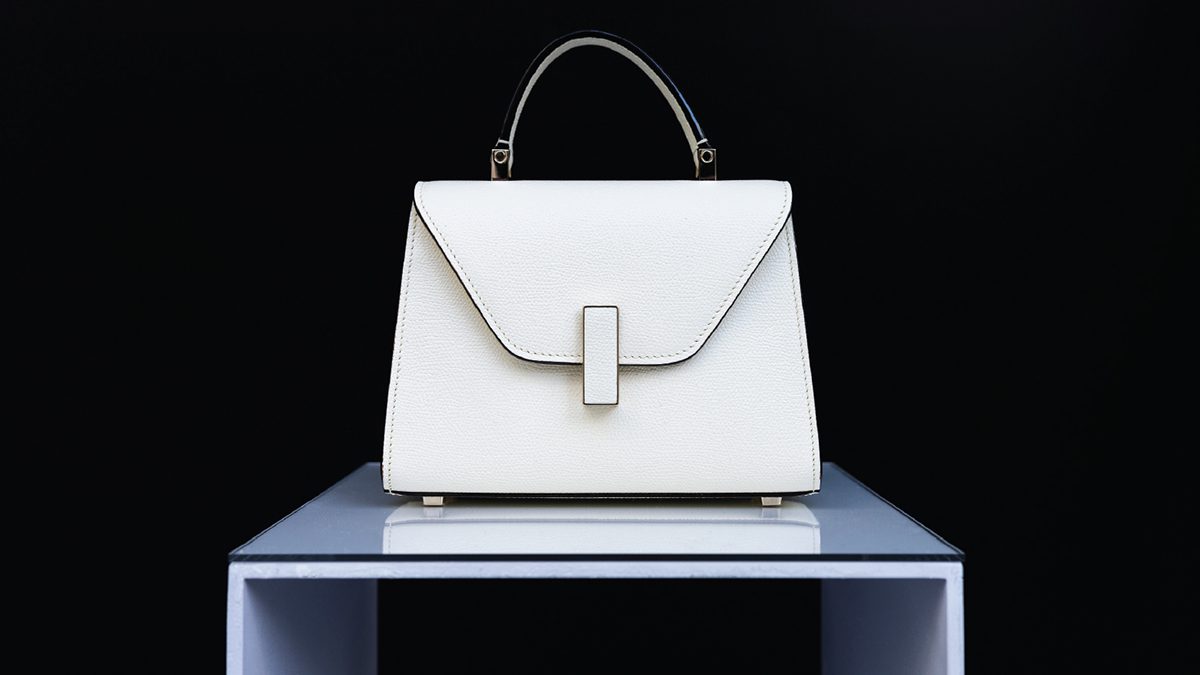
Imagine a florist that does not offer 75 arrangements, but becomes famous for one extraordinary seasonal bouquet. A chocolatier with one signature box that changes four times a year. A home brand built around one exceptional candle. A leather house known for one unmistakable bag. A restaurant with one defining dish that customers travel to experience.
The lesson is not necessarily that a company must literally sell only one thing. It may be that a company should become famous for one thing.
For the right business, the economics can be compelling, too. A narrower assortment can simplify sourcing, production, inventory, training, packaging and marketing. Instead of spreading capital and attention across dozens of products, a company can concentrate resources behind a hero product and build demand around it.
Then comes the growth engine: variation without dilution.
The core product remains recognizable, while seasonal editions, collaborations, private releases and limited drops create new reasons to return. A business does not need hundreds of products to generate novelty. It needs a product people care enough about to watch.
There is an important caveat. Artificial scarcity is not a strategy by itself. McKinsey and The Business of Fashion’s research suggests luxury consumers are increasingly skeptical of scarcity for scarcity’s sake. Exclusivity works when it feels earned—through quality, access, recognition, cultural relevance, craftsmanship or emotional meaning.
That may be the real lesson.
The next generation of premium brands may not win by giving consumers more. They may win by becoming unmistakably associated with something.
In a world overwhelmed by choice, clarity can itself feel luxurious. The most powerful brands may be the ones that know exactly what they stand for—and make one thing so well that customers stop asking, “What else do you have?” and start asking, “When can I get it?”