
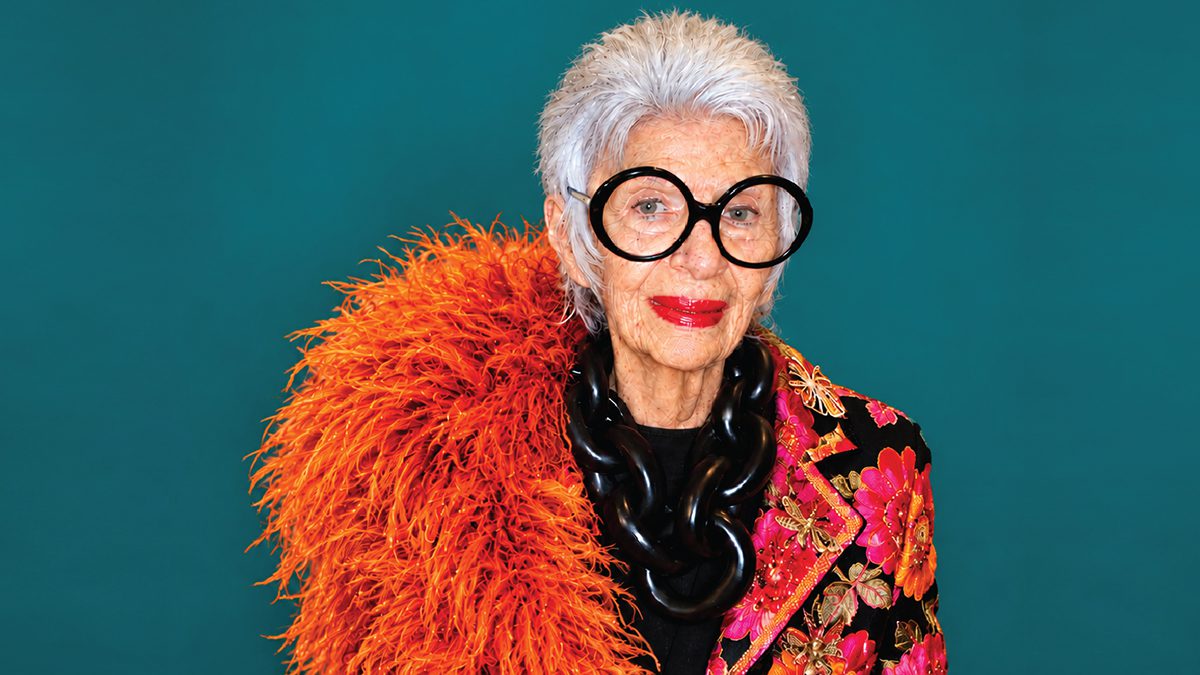
The women who change fashion rarely begin by trying to influence anyone. From Iris Apfel’s extravagant accessories to Diane Keaton’s menswear-inspired tailoring, five extraordinary women proved that the most powerful style statement isn’t following fashion. It’s having the confidence to define it.
Fashion has always been obsessed with telling women what to wear. Hemlines rise, silhouettes shrink, trends disappear, and entire wardrobes become obsolete overnight. Yet some of the most influential women in fashion history built their reputations by ignoring the rules altogether.
They didn’t ask what was fashionable. They decided what felt like themselves.
And eventually, the fashion world caught up.
Iris Apfel never believed in restraint. While conventional wisdom advised women to remove one accessory before leaving the house, Apfel seemed determined to add five more. Oversized glasses, mountains of jewelry, embroidered jackets and fearless color combinations became an unmistakable signature. Her extraordinary approach to dressing challenged the notion that sophistication required subtlety or that personal style diminished with age. Apfel transformed maximalism into a personal philosophy, proving that individuality has no expiration date. She demonstrated that the most interesting person in the room rarely looks like everyone else.
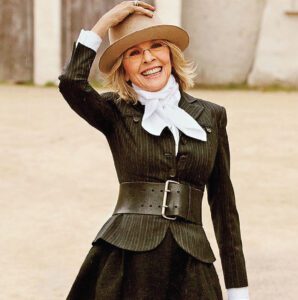
Diane Keaton
Diane Keaton made borrowing from the boys look revolutionary. When Annie Hall arrived in 1977, Keaton’s waistcoats, neckties, oversized trousers and masculine tailoring challenged prevailing ideas about feminine glamour. Working with costume designer Ruth Morley, Keaton brought much of her own distinctive wardrobe sensibility to the screen. The result helped bring relaxed, menswear-inspired dressing into the mainstream, creating a fashion vocabulary women continue to reinterpret nearly five decades later. Keaton wasn’t dressing to appear desirable by conventional standards. Her look expressed comfort, confidence and individuality.
Diana Vreeland understood that elegance could be eccentric. As fashion editor at Harper’s Bazaar and later editor-in-chief of Vogue, Vreeland championed theatricality, imagination and unconventional beauty. Her dramatic jewelry, vivid red surroundings and unmistakable personal aesthetic reflected a woman who considered predictability terribly dull. Through her groundbreaking editorial vision, Vreeland celebrated individuality and brought unexpected combinations of fashion and fantasy into the mainstream. She helped establish the idea that an extraordinary point of view could be more compelling than traditional perfection.
Carolina Herrera made consistency a form of power. In an industry addicted to reinvention, Herrera developed an enduring visual signature built around crisp white shirts, impeccable tailoring and refined silhouettes. Her style wasn’t about competing for attention. It was about commanding it without unnecessary effort. The Venezuelan-born designer demonstrated that knowing precisely what works for you can be more influential than constantly experimenting with what works for everyone else. Her white shirt became more than a wardrobe staple. It became a declaration of self-assurance.
Jenna Lyons made contradictions irresistible. During her influential years at J.Crew, Lyons helped transform American sportswear by pairing sequins with denim, masculine tailoring with feminine details, and unexpected colors with unapologetic confidence. Her signature oversized glasses and instinctive high-low combinations reflected an approach that rejected rigid distinctions between polished and playful. She helped make mixing seemingly incompatible pieces feel modern, desirable and entirely natural.
What connects these five women isn’t a particular silhouette, decade or aesthetic. Their wardrobes could hardly be more different.
What they share is something considerably rarer: conviction.
They understood that personal style isn’t something you purchase, inherit or discover by studying what everyone else is wearing. It develops through experience, instinct and the willingness to be unmistakably yourself.
Fashion may tell women what comes next. Style belongs to those who decide for themselves.