
The rainbow over marshland of Hyde County seemed only to confirm what my husband’s hands and eyes have already proven: some loves are measured not in what we take, but in what we keep and pass on.
I learned a long time ago that love of place is not abstract. It is worn into the hands, measured in the hours spent listening to what the land needs, and revealed again in what is left for those who come after.
Last weekend, after the long drive into Hyde County, an extraordinary rainbow stretched across the horizon as I entered. It felt like a sign. I had come to visit Chris and the cupcakes, exhausted from the road, and found myself instead sitting beside Gordon in the Gator, moving for hours across the property he has tended with such quiet constancy—Wingfield his beloved ground beside Lake Mattamuskeet, the duck capital of the world.
He spoke of canopies that shade terrain easily adapted for rabbit and quail. He explained the practical wisdom of removing the heads of corn so that, when a hurricane arrives, the stalks remain standing. He told of the bears’ affection for anything shiny, and how the tarps that once covered the machinery outside had been torn to shreds. These were not lectures. They were the language of a man who has learned the land by living with it.
The cabin still stands much as it was built in 1942—cinder-block walls beneath original asbestos siding that has been painted and repainted across the decades in every color imaginable. Today it wears a brown tan that settles into the landscape like camouflage, almost disappearing until you are upon it. Inside, the dark paneled wood remains, along with the six bunk beds and two beds with their original coiled springs. Across nearly a century the only true addition has been a bathroom attached at the back. Gordon has loved that cabin and the memories it holds. It is a vessel of continuity in a place where so little else has been allowed to change for the sake of change.
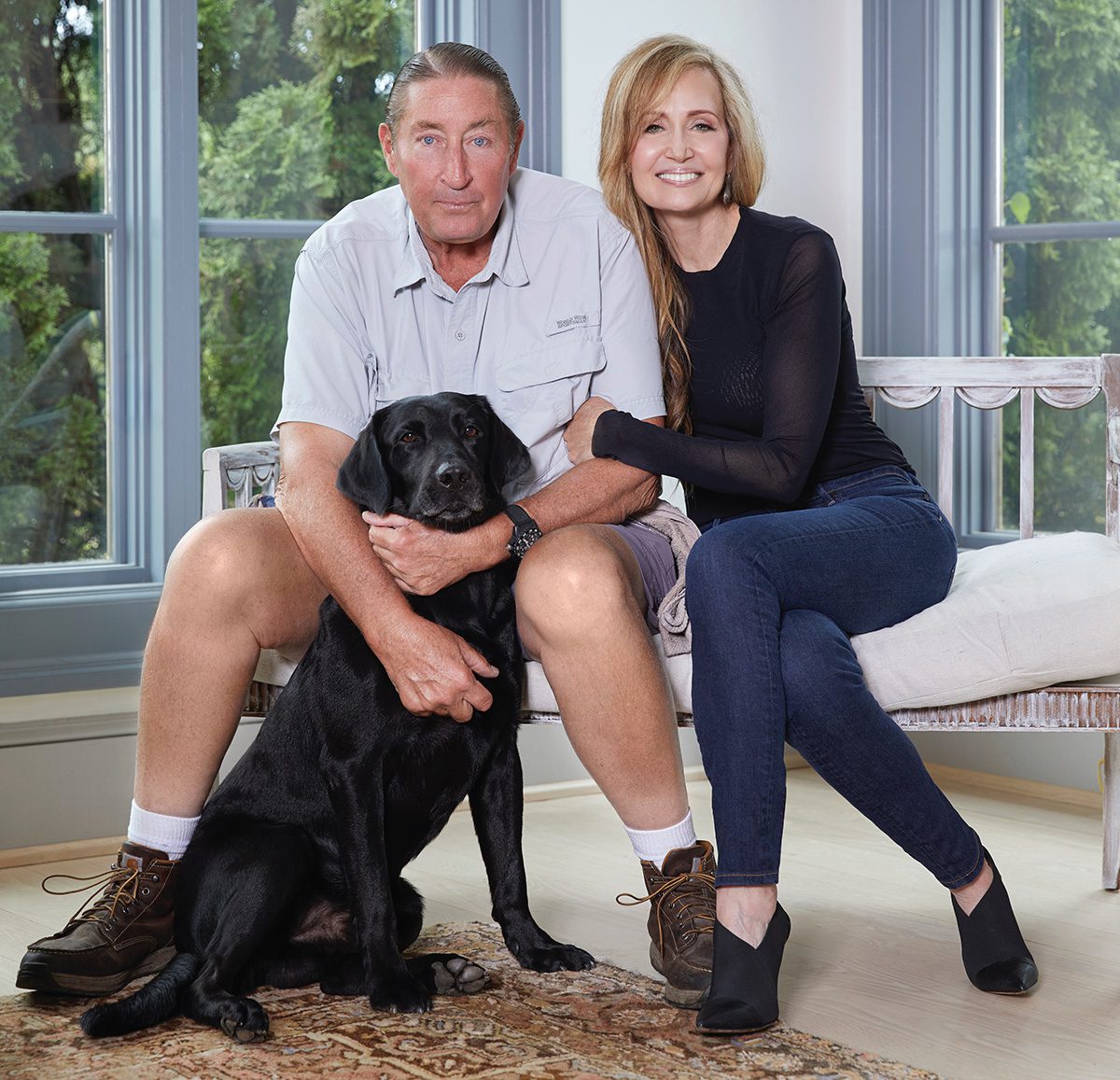
On the way home I looked at his calloused, weathered hands—shaped by years of outdoor work, not gnarled, but marked by the honest labor of a skid steer, of fields, of machinery, of ground. He has sent me pictures of himself covered in dark dust spun up from that work, the fine film of the earth clinging to him. There is a peace that comes from nature that seems to ooze from his pores. His blue eyes have seen everything with a gentle understanding, the kind that comes only from long acquaintance with weather, wildlife, and the slow turning of seasons.
Around him, year after year, has gathered a fellowship of men who dedicate weeks of their time to help with one special project or another—whether deer, bear, duck, or swan. They come because the work matters, and because Gordon’s love of the place makes room for theirs. One evening we sat on the Gator with binoculars and watched a blackened sky of ducks flying over the impoundment, the air thick with the movement of wings above the very water and fields he has tended. In that moment the whole of Lake Mattamuskeet’s reputation as the duck capital of the world felt less like a title and more like a living inheritance.
What makes a man love the earth the way Gordon does? It is not ownership alone. It is affection that becomes stewardship. It is the willingness to read the canopy, the soil, the habits of bears and birds, and to answer with work that leaves the place more alive than he found it. The rainbow over Hyde County that day seemed only to confirm what his hands and his eyes have already proven: some loves are measured not in what we take, but in what we keep and pass on.
With much love,
Karen Floyd,
ELYSIAN Publisher & Founder