
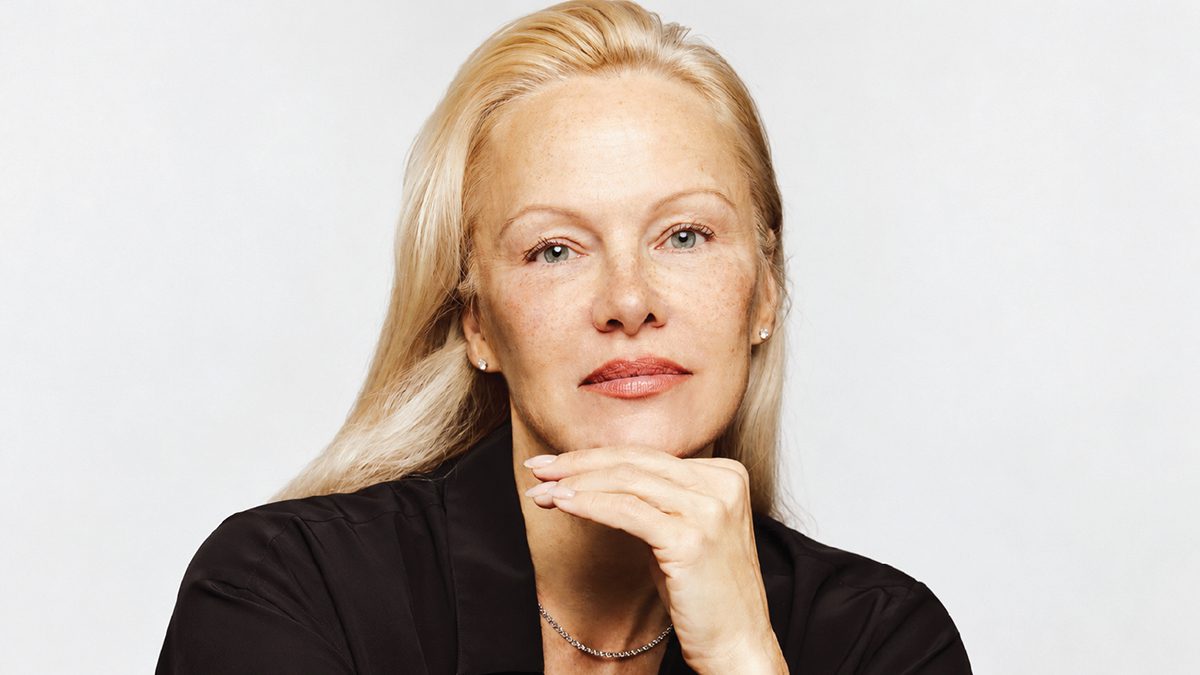
Forget the fountain of youth. From Pamela Anderson’s bare-faced rebellion to Demi Moore’s unapologetic glamour, a generation of influential women is proving that the most compelling thing about getting older isn’t looking younger. It’s becoming impossible to mistake for anyone else.
For decades, the beauty industry sold women a peculiar ambition: to grow older without anyone noticing. Wrinkles were problems to solve, gray hair was something to conceal, and relevance supposedly came with an expiration date. Then something shifted. Some of the most fascinating women in fashion, film and culture began doing the unthinkable. They stopped treating age as something to apologize for.
And in doing so, they made aging interesting again.
Consider Pamela Anderson, whose transformation from the heavily made-up bombshell of the 1990s to an increasingly bare-faced presence on fashion’s most photographed stages became an unexpected cultural statement. Her decision to embrace a more natural appearance wasn’t simply about abandoning cosmetics. It challenged the notion that beauty requires constant performance. The woman once defined by an exaggerated aesthetic was suddenly commanding attention by stripping it away.
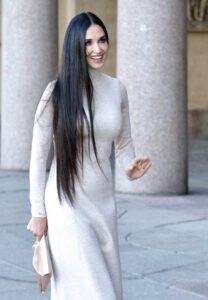
Demi Moore, Editorial credit: Liv Oeian / Shutterstock.com
Then there’s Demi Moore, whose career resurgence has complicated Hollywood’s longstanding relationship with women over 50. Her acclaimed performance in The Substance, a provocative examination of youth obsession, arrived alongside red-carpet appearances that radiated confidence and glamour. At an age when actresses were once expected to retreat gracefully into supporting roles, Moore was impossible to ignore. The irony was exquisite: a film about the cruelty of beauty standards helped propel its star into a remarkable new chapter of visibility.
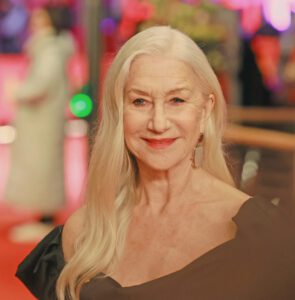
Helen Mirren
For Helen Mirren, now in her 80s, personal style has never required permission. Whether appearing with dramatically colored hair, theatrical gowns or a mischievous sense of humor, Mirren refuses the quiet invisibility traditionally prescribed to older women. Her appeal lies in something far more magnetic than youthfulness: the pleasure of being entirely comfortable with herself.
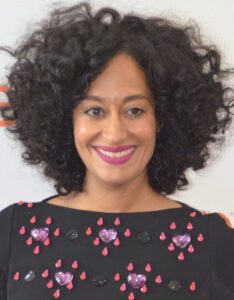
Tracee Ellis Ross
Meanwhile, Tracee Ellis Ross has turned individuality into an art form. Her sculptural silhouettes, fearless proportions and exuberant relationship with fashion reject the idea that women should become more restrained with age. In her 50s, Ross dresses with the imagination of someone who understands that style is not about fitting into a room. It’s about changing its energy.

Sarah Jessica Parker
And Sarah Jessica Parker continues to demonstrate that fashion can evolve without surrendering its eccentricity. Her willingness to wear her natural gray strands alongside extraordinary clothes offers a refreshing alternative to the exhausting pursuit of perpetual youth. The clothes remain adventurous. The woman wearing them simply has more stories to tell.
What connects these women isn’t a shared aesthetic. Anderson’s minimalism has little in common with Ross’s exuberance. Mirren’s theatricality differs from Moore’s polished glamour. Their power comes precisely from those differences.
Perhaps that’s the real cultural revolution. For generations, women were encouraged to believe that beauty peaked at a particular age and everything afterward was an exercise in preservation. These women suggest something far more compelling: that identity can become richer, taste more assured and personal style more distinctive with every passing decade.
The ultimate aspiration is no longer to look 35 forever.
It’s to reach 55, 65 or 85 and look unmistakably, magnificently like yourself.