
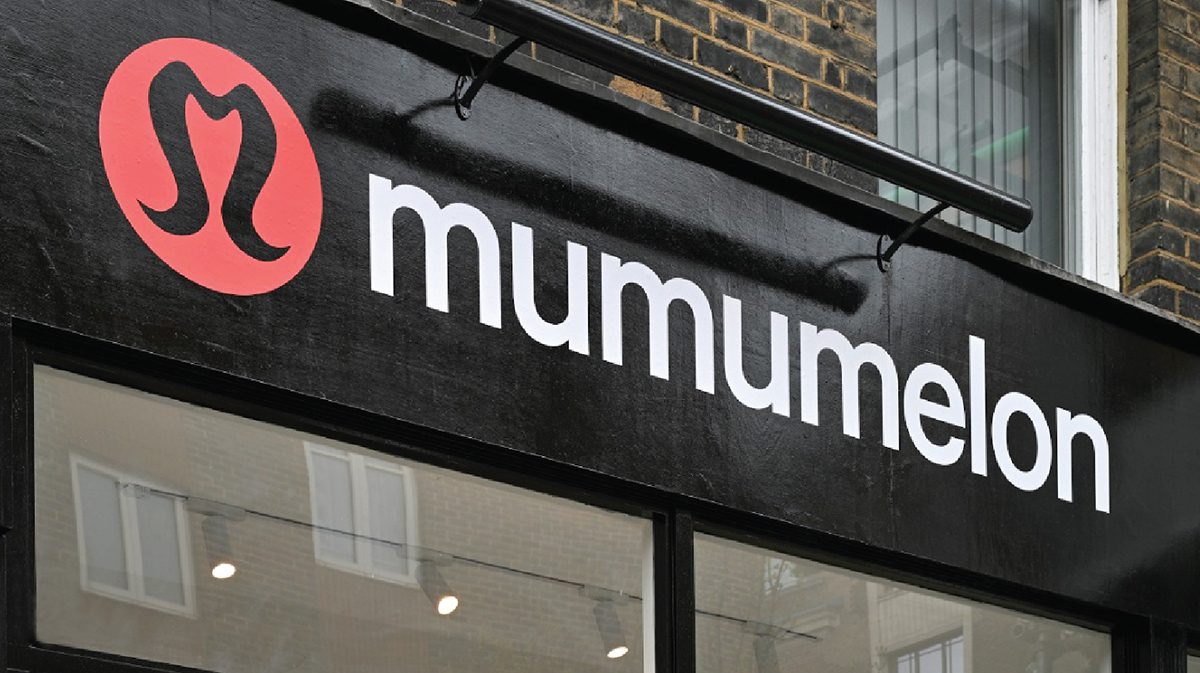
When a “dupe” becomes a protest, the line between parody and activism begins to blur. That is exactly what happened with Mumumelon, a provocative pop-up project that mimicked the aesthetics of Lululemon while delivering a sharply pointed message about sustainability, fossil-fuel dependence, and the future of ethical fashion.
Mumumelon is not a commercial brand in the traditional sense, but a satirical climate campaign created in April 2026 by environmental watchdog Action Speaks Louder and creative studio Serious People. Designed to resemble a near-identical “dupe” of Lululemon, the project replicated branding cues, typography, and activewear silhouettes so precisely that passersby could easily mistake it for a new athleisure launch.
The stunt took physical form in London’s Marylebone High Street, just steps away from an actual Lululemon Athletica storefront. The proximity was intentional. In the window, bold lettering declared the campaign’s slogan: “Violating copyright, not the planet.” The message reframed imitation not as theft, but as commentary on environmental responsibility and corporate accountability.
Although rooted in satire, Mumumelon produced a limited run of 40 to 50 real garments, including hoodies, leggings, and t-shirts. Unlike conventional fast-fashion supply chains, these items were manufactured in facilities powered entirely by wind and solar energy, with workers paid living wages. This detail transformed the project from pure parody into a live demonstration of what sustainable production could look like at scale.
At the center of the campaign is a pointed critique: if a small activist-backed project can produce “dupe-level” activewear using renewable energy, why can’t major global brands? The tagline “If a dupe can do it, why can’t Lululemon?” challenges consumers and corporations alike to reconsider assumptions about cost, quality, and environmental trade-offs in the athleisure industry.
The installation quickly sparked conversation across fashion and climate advocacy circles, blurring boundaries between marketing stunt, art installation, and protest movement. Critics of greenwashing saw it as a clever indictment of corporate inertia, while others questioned whether mimicry risks confusing consumers or undermining intellectual property norms.
Still, Mumumelon’s impact lies in its provocation. By placing itself so close to the very brand it critiques, the campaign forces a confrontation with uncomfortable questions: how much of sustainable fashion is ambition, and how much is already technically possible but commercially ignored?
In a world where consumers are increasingly attentive to environmental claims, Mumumelon suggests that the next frontier of activism may not look like protest at all—but like a perfectly executed imitation that holds up a mirror to the original.
The campaign also taps into a growing tension in consumer culture, where “dupe” products have moved from fringe imitation to mainstream retail strategy. Social media platforms have normalized the hunt for affordable lookalikes of luxury goods, but Mumumelon flips that logic inward, using imitation not for aspiration but for interrogation. By copying the visual language of a global athleisure leader, the project exposes how much branding itself drives perceived value, and how little transparency often exists behind production claims. It also raises legal and ethical questions about how far parody can go before it becomes infringement, especially when the intent is explicitly political rather than commercial.
Ultimately, it reframes sustainability not as a trend, but as an urgent benchmark for accountability across fashion industries.